
Blog / Ford Explorer

2024 Ford Explorer vs. Toyota Highlander: A Comprehensive Comparison

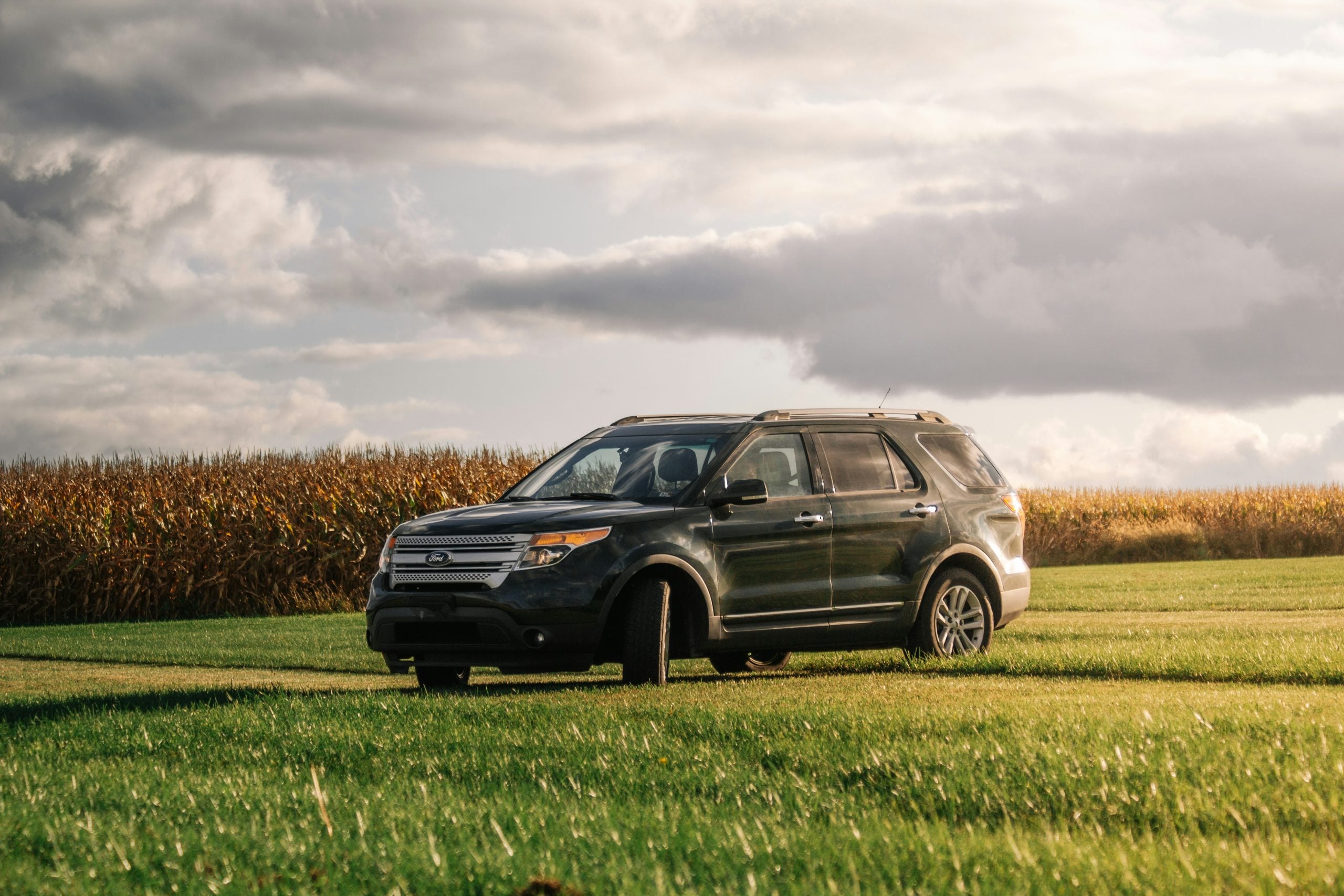
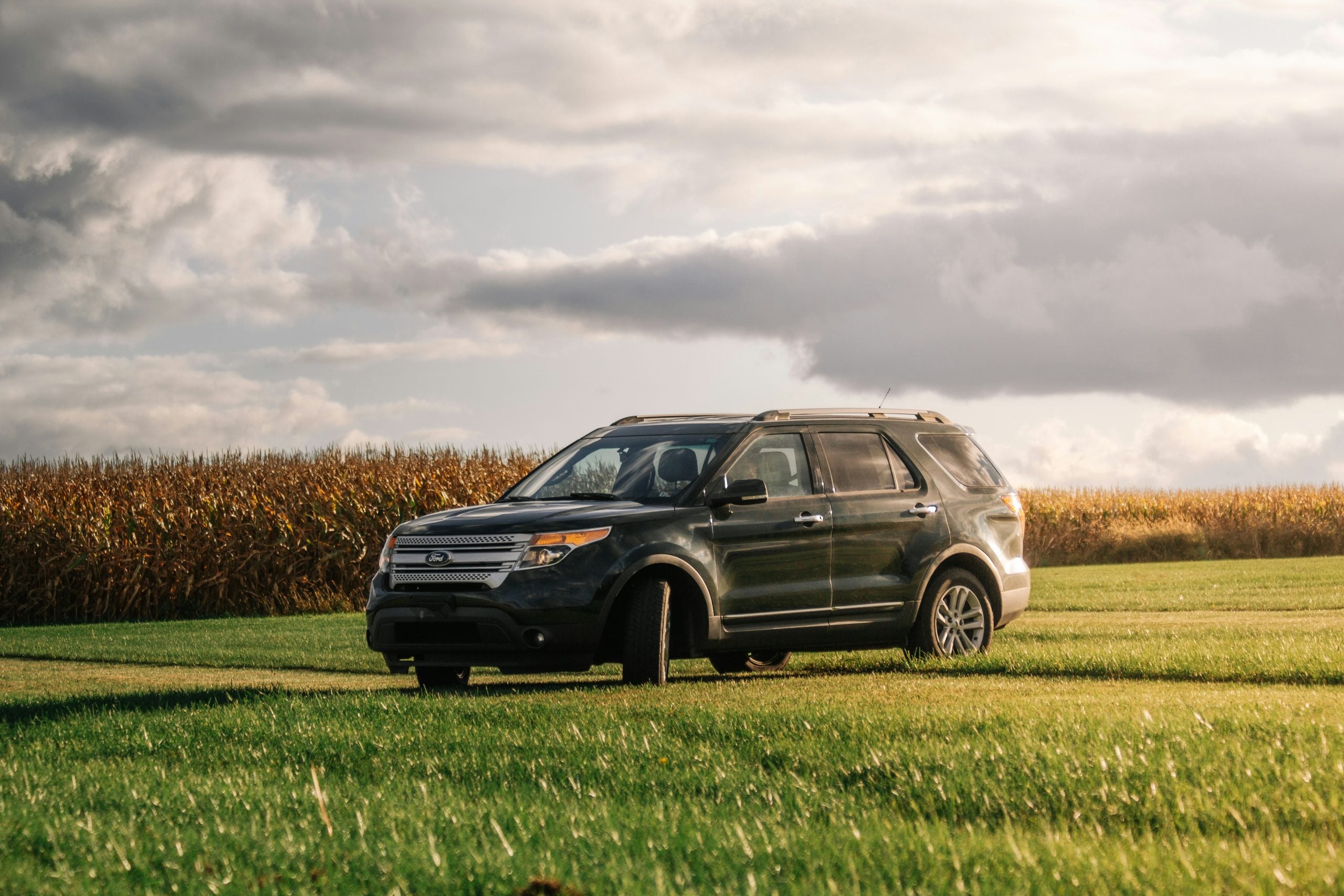
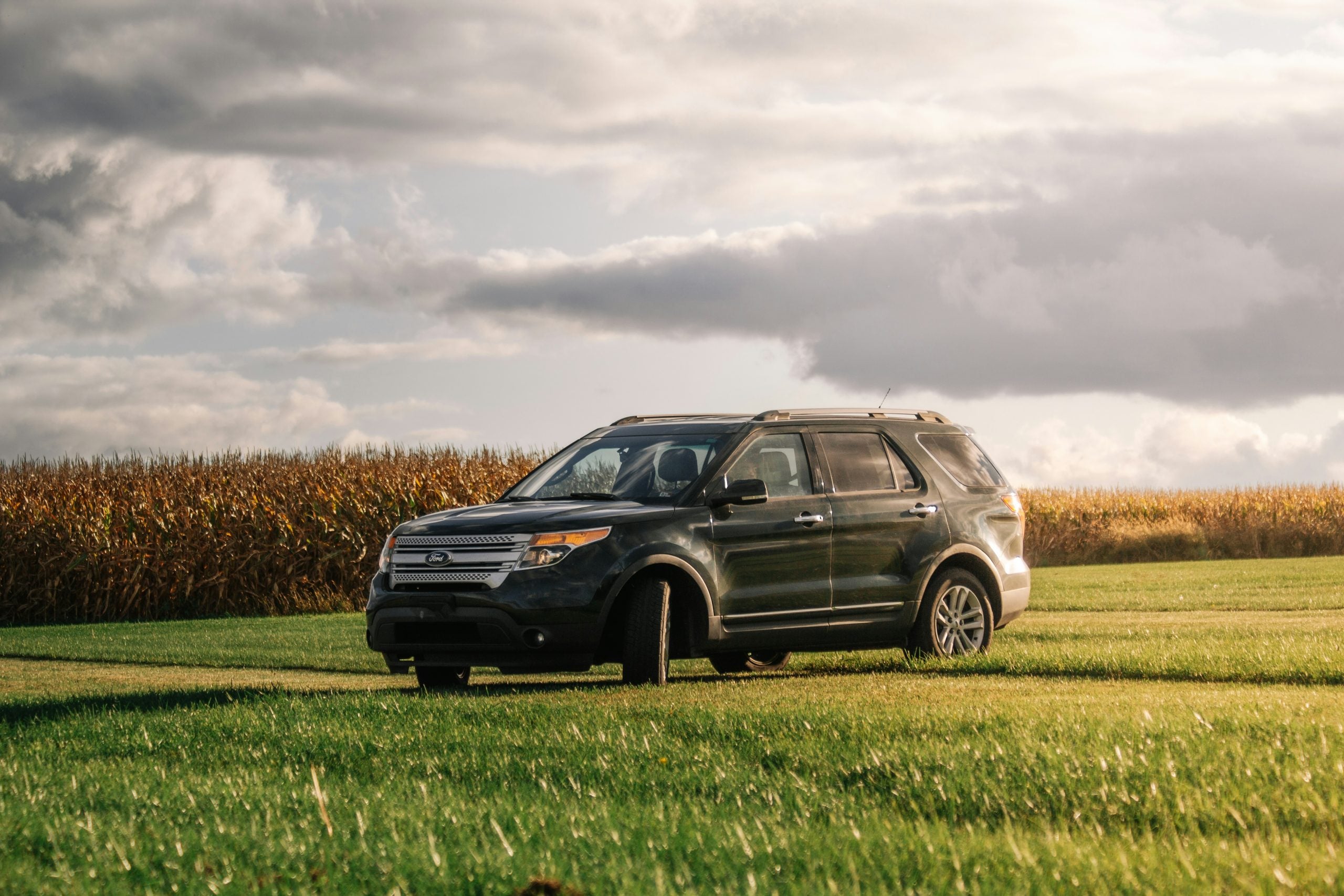
Ford Explorer in Corn Field

When comparing midsize SUVs, two titans compete for supremacy. The Ford Explorer and Toyota Highlander are versatile vehicles known for their practical designs, spacious interiors, and reliable performance. In this article, we compare the 2024 Ford Explorer and the Toyota Highlander to help you make an informed decision about which one best fits your lifestyle. 

Exterior Design

The Ford Explorer and Toyota Highlander both feature modern, bold designs. The Explorer offers a muscular, rugged look with strong lines and a distinctive front grille, while the Highlander features a more sophisticated, sleek profile. 

The Explorer is 70.2 inches tall, 198.8 inches long, and 78.9 inches wide, while the Highlander measures 68.1 inches tall, 194.9 inches long, and 76 inches wide. The Explorer also boasts a slightly longer wheelbase at 119.1 inches, while Toyota's is 112.2 inches, giving the Explorer a more commanding presence on the road. 

Interior and Comfort

Although both SUVs prioritize comfort and space, their approach to interior design differs distinctly. The Ford Explorer's spacious cabin offers 152.7 cubic feet of passenger space, comfortably accommodating up to seven people. It also provides plenty of legroom for all passengers, as well as substantial cargo space, with 18.2 cubic feet behind the third row, 47.9 cubic feet behind the second row, and 87.8 cubic feet behind the first row with all seats folded. This is ideal for if you have a large family or regularly embark on long journeys. 

Despite its more compact exterior, the Highlander offers 141.8 cubic feet of passenger space, which can accommodate up to eight people but sacrifices slightly on comfort. Its cargo area is smaller than the Explorer's, with 16 cubic feet behind the third row, 48.4 cubic feet behind the second row, and 84.3 cubic feet with all seats folded. If you often transport lots of people and aren't too concerned about passenger space, the extra seat may be just what you need.

Performance and Handling

The Ford Explorer offers several powertrains, including a 2.3-liter four-cylinder engine that produces 300 hp and a twin-turbo 3.0-liter V-6 that delivers 400 hp. The hybrid variant was discontinued in 2024. Both engines pair with a 10-speed automatic transmission and standard rear-wheel drive, while all-wheel drive is optional. This SUV is designed for power and efficiency both on and off the road. It can tow up to 5,600 pounds with the available trailer tow package.

The Toyota Highlander offers a choice between a traditional gasoline or hybrid powertrain. The gas engine is a 2.4-liter four-cylinder that produces 265 hp. It pairs with an eight-speed automatic transmission and either front- or all-wheel drive. The Toyota can tow up to 5,000 pounds, which is less than the Explorer but still ideal for most weekend getaways. While both SUVs perform well, the Explorer's available rear-wheel-drive setup enhances towing capacity and dynamic handling. 

Safety and Reliability

Both SUVs prioritize safety with several advanced driver-assistance systems. The Ford Explorer features Ford Co-Pilot360, which includes standard technologies such as blind-spot monitoring, automatic emergency braking, rear cross-traffic alert, lane departure warning, lane-keep assist, and forward collision warning. 

The Highlander's Toyota Safety Sense suite offers similar features, including automatic emergency braking with pedestrian detection, lane departure warning with lane-keep assist, and blind-spot monitoring with rear cross-traffic alert. Both SUVs were rated a 2024 Top Safety Pick by the Insurance Institute for Highway Safety. 

Technology and Features

If you're tech-savvy, you'll appreciate the cutting-edge technology in both SUVs. The Ford Explorer offers an 8-inch touch screen with SYNC 4, which supports wireless Apple CarPlay and Android Auto as standard, or an optional 10.1-inch vertical screen on the higher trims. Higher trims also feature voice-activated navigation and a powerful Bang & Olufsen sound system. 

The Toyota Highlander comes with its own comprehensive technology features, including an 8-inch touch screen with integration for smartphone apps, while a 12.3-inch touch screen is optional. Higher trims also offer a 12.3-inch digital gauge cluster, while lower models have a traditional analog gauge with a small 7-inch information screen. A six-speaker audio system is standard, or you can opt for an available 11-speaker JBL audio system.

Pricing and Value

The Ford Explorer midsize SUV has a starting MSRP of $38,455, while the Highlander begins at $40,720. Although the Explorer has a more affordable base rate, you can expect to pay up to $59,310 for higher trims. 

The Highlander edges ahead regarding value retention over time. Both models come with a limited warranty for three years or 36,000 miles, and a powertrain warranty for five years or 60,000 miles. Toyota includes complimentary scheduled maintenance for two years or 25,000 miles, which Ford doesn't. 

The Pros and Cons of the Ford Explorer and Toyota Highlander

Below, we compare the advantages and disadvantages of the Ford Explorer and Toyota Highlander.

Ford Explorer Pros

  • Strong engine options.
  • Superior towing capacity.
  • Spacious interior with advanced technology features.

Ford Explorer Cons

  • Expensive higher trims.
  • No hybrid option.

Toyota Highlander Pros

  • Smooth ride quality.
  • Excellent fuel efficiency in hybrid models.
  • Quality interior materials.

Toyota Highlander Cons

  • Less towing capability than the Explorer. 
  • Smaller cargo space.

Experience the Ford Explorer at John Kennedy Ford Feasterville

Both the 2024 Ford Explorer and Toyota Highlander have unique strengths, making them excellent choices in the midsize SUV category. The Explorer stands out for its rugged performance, towing capacity, and advanced technology, while the Highlander shines with its smooth ride and premium interior. Your choice will depend on your requirements, whether you prioritize power and space or comfort and efficiency. If you're in the Feasterville, Pennsylvania, area, we invite you to visit John Kennedy Ford Feasterville for a firsthand experience. Contact us today for a test drive to determine which SUV is ideal for your lifestyle.
Posted in:

Related Posts

Ford Explorer in Corn Field

Ford Explorer Third-Row Seating: Comfort, Capacity, and Convenience for Your Family

If you need a spacious, family-friendly SUV, the Ford Explorer with third-row seating is a great option. With room for seven passengers, flexible cargo space, and modern features, it can handle everything, including school drop-offs and road trips. Whether you're looking for a Ford Explorer with a third row for sale or want to know more about its comfort and practicality, our team at John Kennedy Ford Feasterville can tell you everything you need to know. more New Explorer Inventory An Overview of the Ford Explorer The 2025 Ford Explorer SUV continues to be an excellent choice for families. With a modern design, updated technology, and reliable performance, this Ford three-row SUV remains a go-to option if you need extra seating. The Explorer offers a choice of a turbocharged four-cylinder engine or a twin-turbo V-6, both paired with a 10-speed automatic transmission. The Ford Explorer's Seating Capacity The Ford Explorer third-row seating configuration provides enough space for large families or those who frequently travel with extra passengers. Depending on the trim level, you can choose between a second-row bench seat for seven occupants or captain's chairs for a six-passenger layout. Either way, the third row adds versatility and convenience to your drives. The 2025 Ford Explorer Trims The 2025 Ford Explorer offers different trim levels to match your needs. All have three rows, with trim-specific options for seating arrangements and luxury upgrades. Whether you want something practical, sporty, or luxurious, there's an Explorer for you. The Active The entry-level Active trim gets the range off to a promising start. Its attractions include: A starting MSRP of $39,855 A 300-horsepower 2.3L EcoBoost I-4 engine Rear-wheel drive (or optional intelligent four-wheel drive) Six selectable drive modes A 5,000-pound towing capacity A 13.2-inch touch screen with Ford Digital Experience Wireless Apple CarPlay and Android Auto First-row heated seats Three-row seating for seven passengers The ST-Line If you require more luxury and technology, the Ford Explorer ST-Line, starting at an MSRP of $44,615, provides it with: Black exterior accents and exclusive ST-Line badging 20-inch ebony machined-painted aluminum wheels Second-row heated seats A Bang & Olufsen sound system with 10 speakers A 360-degree camera Remote start Available BlueCruise hands-free driving The Platinum Starting at a $52,250 MSRP, the 2025 Explorer Platinum offers: Satin chrome exterior accents Adaptive headlamps 20-inch luster nickel-painted aluminum wheels Leather seating with tri-diamond micro-perforated inserts A twin-panel sunroof A power-folding third row The ST The top-of-the-range ST delivers the ultimate in performance and luxury. For a starting MSRP of $54,260, you get: Second-row captain's seats with E-Z Entry (reduces the seating capacity to six) A 400-horsepower 3.0L EcoBoost V-6 engine Sport-tuned suspension and performance brakes Quad chrome exhaust tips 21-inch magnetite-painted aluminum wheels Heated and ventilated front seats with Active Motion massage A wireless charging pad PowerFold third-row seats Notable Previous Models With Third-Row Seating If you're considering a used Ford Explorer with third-row seating, earlier models also provide great options. The 2017 Ford Explorer The 2017 Explorer features power-folding third-row seats, simplifying passenger and cargo space adjustments. Ford improved the LATCH system for child seats for this model year, making it easier to secure car seats properly. The third row isn't the roomiest for adults, but it's still a valuable option for families needing extra seats. The 2018 Ford Explorer The 2018 Ford Explorer has a third-row bench seat that folds down in a 50/50 split. For more flexibility, you could swap the standard seven-seat setup for a six-seat layout by choosing second-row captain's chairs. The power-folding third-row seats make it easy to free up cargo space with the push of a button. The 2020 Ford Explorer In 2020, Ford made the Explorer's third row easier to access and slightly more spacious. The standard setup, with a second-row bench, accommodates seven passengers, while optional captain's chairs bring the capacity down to six. Although adults can squeeze into the third row for short trips, it's more comfortable for kids. The Advantages of Third-Row Seating in the Ford Explorer Having third-row seating in an SUV makes a big difference in your daily life. Many factors make the Ford Explorer stand out. Comfort and Space The Ford Explorer's third-row legroom offers enough room for kids and even some adults. The dimensions are: Headroom: 38.9 inches Legroom: 32.2 inches Shoulder room: 54.6 inches Hip room: 40.9 inches These figures, the seating materials, and the design ensure a comfortable ride for all your third-row passengers. Flexibility and Convenience The third row folds down easily when you need more cargo space. The ST trim's PowerFold function lets you create extra storage with the push of a button. Whether you need room for seven passengers, are loading up for a trip, or are making room for groceries, the Explorer's flexible seating makes life easier. Frequently Asked Questions About the Ford Explorer's Third Row Is It Easy To Access the Third Row? The Explorer makes third-row access simple. The second-row seats have an E-Z Entry function that moves them forward with a single button press, allowing you to get in and out without effort. Which Safety Features Do the Third-Row Seats Include? The third row has LATCH connectors for child seats, making it a safe option for families. The Safety Canopy system provides extra protection in side-impact crashes or rollovers by deploying airbags along the side windows. Is the Third Row Suitable for Adults or Just Children? While the third row is comfortable for kids, it can accommodate adults for shorter trips. Taller passengers may find the legroom a bit limited, but it's still a functional space for extra seating. Check Out the Ford Explorer's Third-Row Seating Today If you're interested in a new or used Ford Explorer with seven seats or require a Ford service, look no further than our John Kennedy Ford Feasterville dealership. Our range of models is extensive, and our team can help you find the right one for your needs. Visit us in Feasterville, Pennsylvania, today, or contact us to schedule a test-drive.

Ford Explorer in Corn Field

Ford Explorer Reliability: A Comprehensive Guide

For over thirty years, the Ford Explorer has built a reputation as one of the best-selling midsize SUVs. The Explorer owes its success to its spacious interior, top-notch safety features, and family-friendly infotainment technologies that transform every commute into an engaging experience. If you're in the market for a new family vehicle, you'll want to consider the reliability of the Ford Explorer. Continue reading to learn how dependable the Ford Explorer is and what that means for you as a potential owner. more New Explorer Inventory Comprehensive Reliability Analysis of the Ford Explorer According to RepairPal, the Ford Explorer's reliability rating is 3.5 out of 5 stars, slightly below the average 3.8 stars for other midsize SUVs. However, reliability scores for the Ford Explorer fluctuate depending on the model year. Ford Explorer Reliability Ratings: A Year-By-Year Breakdown Since the introduction of its first-generation model, the reliability ratings of the Ford Explorer have experienced numerous shifts. Continue reading to see how its dependability has evolved over the years. First Generation (1990-2001) The first-generation Ford Explorer was introduced to dealerships in 1990 and remained in production throughout the decade. These early models are renowned for their superior reliability compared to later generations, thanks to their truck-like construction and the enhanced durability of their chassis and suspension. However, the first-generation Ford Explorers had some issues. Owners commonly complained about engine coolant leaks and transmission failures. Even so, when properly maintained, these older models are trustworthy family vehicles. Consumer Reports and J.D. Power rated these Explorers’ reliability at the time of their release as average to above average. Second Generation (2002-2005) The second generation of the Ford Explorer, made between 2002 and 2005, introduced a redesigned exterior and new features. However, due to minor concerns, such as oil leaks, transmission problems, and climate control system malfunctions, most consumer organizations rated these models as average in reliability. Third Generation (2006-2010) The third-generation Ford Explorer was manufactured from 2006 to the beginning of the decade. While the transmission issues of earlier generations were resolved, they had problems with dependability, such as wiring and air conditioning system failures. Nevertheless, third-generation Explorers received more favorable reliability ratings than previous models, with most owners giving them a 3.5 out of 5. Fourth Generation (2011-2019) The fourth-generation Ford Explorer, produced from 2011 to 2019, significantly improved reliability. These models' engines and transmission systems were more dependable than earlier generations. However, they still had issues, particularly with the infotainment system, which was prone to freezes and glitches. Unsurprisingly, consumer organizations, such as Consumer Reports and J.D. Power, gave this generation of Explorers an average rating. Fifth Generation (2020-Present) While it's still too early to determine the long-term reliability of the fifth and current generation of Explorers, the model's redesign has addressed many of the issues of previous generations. For instance, the introduction of a rear-wheel-drive system with optional all-wheel drive has improved the durability of vital components, such as the differential and driveshaft. Ford has also addressed such engine problems as turbo failures and coolant leaks, which were prominent in earlier models. Key Factors Influencing Reliability Ratings Several critical factors are known to influence the Ford Explorer's reliability ratings. These include: Driving habits: Aggressive driving, towing heavy loads, and navigating difficult conditions can often lead to premature wear and tear in your Explorer's components. Maintenance: Ford Explorers require proper maintenance to remain reliable. Scheduling routine maintenance services, such as oil changes and brake inspections, is essential for preventing possible issues. Ownership history: A well-maintained, preowned Ford Explorer with a documented service history is likely to be more reliable than one without past service records. Always request maintenance records from the seller when purchasing a used Explorer. Ford Explorer Model Comparisons and Consumer Insights While the Ford Explorer's reliability score has fluctuated over the years, some models have demonstrated dependability and longevity. If you're considering investing in an Explorer, consider these model years: 1993, 2010, 2011, 2012, and 2019. These models typically have fewer issues and will likely provide excellent service for several years beyond their manufacture date. However, if you want to avoid costly repairs and a frustrating ownership experience, it's important to know which models to avoid. Third-generation Explorers, particularly the 2002, 2003, and 2004, are notorious for engine and transmission problems. In some cases, owners of these models spent up to $2,000 to replace failed transmissions or fix faulty ones. Maintaining Your Ford Explorer for Enhanced Reliability Proper maintenance ensures your Ford Explorer stays reliable for the long haul. Always adhere to the manufacturer's recommended routine maintenance schedules. Changing your engine oil and filter at least once every 5,000 miles will optimize your Explorer's performance. It's equally important to rotate your tires during your oil and filter change appointments. This ensures your treads wear evenly, minimizing the risk of blowouts and promoting tire longevity. Remember to have your brakes inspected during routine service appointments to optimize the safety, handling, and performance of your Explorer. With the right maintenance, your Ford Explorer will remain reliable for up to 200,000 miles and beyond. Is the Ford Explorer a Reliable Vehicle? While this midsize SUV has an average to above-average general reliability rating, some model years have proven more reliable than others, with most newer models scoring higher than older ones. Are you seeking a reliable Ford Explorer for your family's travel needs? Browse our inventory for the latest models and schedule a free test-drive of your preferred model to experience its performance firsthand before deciding on your next vehicle.

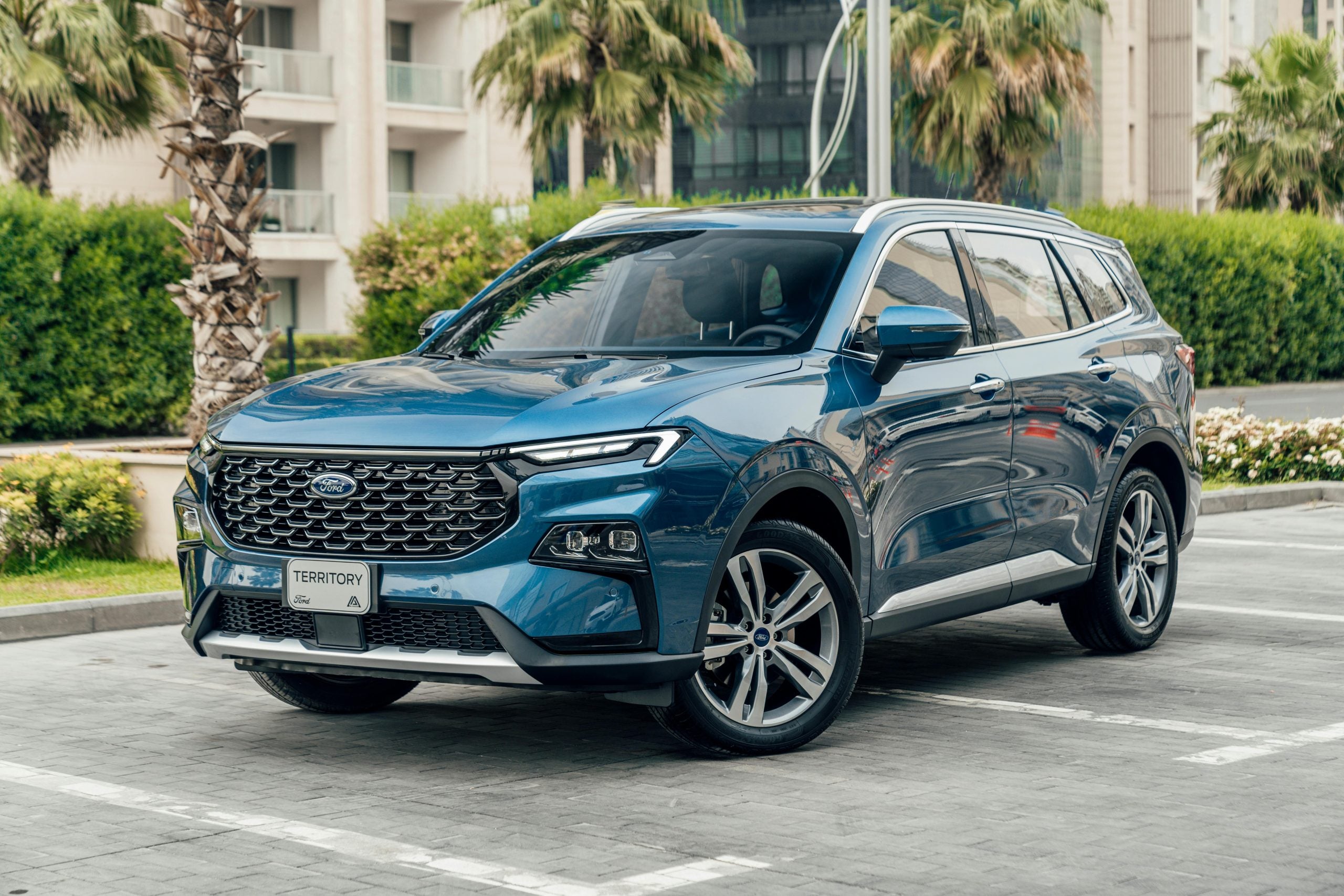
Blue SUV Parked in Erbil Urban Setting

2025 Ford Explorer Interior Features

Three-row SUVs are some of the most popular vehicles for large families and anyone needing extra passenger seats. If you want one that can easily accommodate up to seven people in a stylish cabin with the latest infotainment and active safety tech, look no further than the 2025 Ford Explorer. In this article, we'll go over some of its most exciting and innovative interior features. more Ford Explorer Inventory Schedule a Test Drive Click to Call Brief Overview of the Ford Explorer Legacy The Ford Explorer has been a part of Ford's lineup since 1991. It's one of the pioneers of the modern SUV revolution and was one of the first models to offer utility and comfort. Now in its sixth generation, the Explorer is more popular than ever and has become the top-selling SUV in U.S. history in 2020. What's New in the 2025 Model The 2025 model has a few upgrades compared to the previous model year. Its interior looks and feels better due to the new materials and color schemes. Other upgrades focus on making driving safer and easier. This is the first Explorer that uses Ford's BlueCruise system, which allows hands-free driving on over 100,000 miles of highways in both the U.S. and Canada. Another tech addition is the Ford Digital Experience, which makes it easier to access your favorite apps on the road and while parked. Detailed Exploration of Interior Features Besides being spacious and comfortable, the Explorer's interior also looks great. Let's explore the 2025 Ford Explorer's interior features that make it a standout entry in the SUV market. Innovative Dashboard and Control Panel Design The 2025 Explorer's dashboard has been completely redesigned to give more space to front passengers. Besides making it easier to get in and out and enhancing interior comfort, this new design also makes the front area seem more open. The 12.3-inch customizable digital instrument cluster, which was only available on higher trims on previous Explorer models, is now part of the standard configuration. It's integrated with the Ford Digital Experience, making it easy to use for functions such as navigation. It also shows essential information such as your current speed and fuel level. Comfort and Seating Configuration The 2025 Ford Explorer's spacious cabin provides plenty of space for passengers in all three rows. The well-padded seats let you enjoy short drives and long road trips in comfort. You can replace the second-row bench with heated captain's chairs for enhanced back-seat comfort. The ride is smooth due to the well-tuned suspension system, and the cabin is also properly insulated from exterior wind, engine, and road noises. Cargo Space Insights The 2025 Explorer has 16.3 cubic feet of cargo space behind the three rows of seats, enough for everyone to store their luggage on road trips. You can also count on the flexible seating configuration if you need more space. You'll get 46 cubic feet of space simply by folding the third row. Folding the second row will make way for 85.8 cubic feet of cargo space, perfect for hauling large cargo. Exclusive Interior Color Schemes and Themes You can personalize your 2025 Ford Explorer interior by choosing from a wide variety of materials and color schemes. Choose between premium cloth upholstery, the Ford ActiveX synthetic leather, or genuine quilted leather seats. Some popular color schemes include Ultra Dark Space Gray cloth, Onyx ActiveX with red highlights, Onyx leather with Mojave Dusk interior, Onyx leather with tri-diamond micro-perforated inserts, Salt Crystal Gray leather, and many more. Advanced Technology and Connectivity The 2025 Ford Explorer's interior is comfortable and looks amazing in any color scheme. However, no modern vehicle is complete without a long list of infotainment features and advanced driver-assist systems. Luckily, the Explorer has plenty of both. Infotainment Features Even the 2025 Explorer's standard trim comes with many useful and exciting infotainment features. The 13.2-inch touch-screen interface is sharp-looking and easy to use. It features built-in Google functions, such as navigation and voice commands, plus wireless smartphone connectivity through Apple CarPlay or Android Auto. Although the standard six-speaker sound system does a great job, choose the 10-speaker Bang & Olufsen sound system or the 14-speaker option if you want more power and clarity. Active Safety Features Since the 2025 Explorer is a popular family vehicle, safety is essential. The Ford's Co-Pilot360 Assist+ advanced driver-assistance system is standard and includes these features: Forward collision warning with automatic braking: It warns the driver if it senses an imminent frontal impact. It can even apply the brakes by itself in certain situations. Evasive steering assistance: It complements the forward collision mitigation system by adding a steering-based collision avoidance system. Blind-spot monitoring with rear cross-traffic alerts: It alerts the driver if it detects another vehicle entering their blind spot while changing lanes or reversing. Adaptive cruise control: It automatically maintains a constant speed while driving on the highway without you needing to keep pressing the gas pedal. It also adjusts this speed automatically to keep a steady distance from the car in front. Lane-keep assist: It constantly makes small steering adjustments to keep the Explorer in the center of its lane. Intersection collision mitigation system: It scans the surroundings when you're about to make a left turn at an intersection and applies the brakes automatically if it senses an imminent collision. Come Try Out the 2025 Ford Explorer at John Kennedy Ford Feasterville You can check out the 2025 Explorer's interior look and features by yourself if you come to visit us at John Kennedy Ford Feasterville in Feasterville, Pennsylvania. We can also arrange a test-drive for you to help you decide if the Explorer is the right choice for you and your family. We'll be here to answer all your questions and guide you through the process. Contact us today to schedule your test-drive.