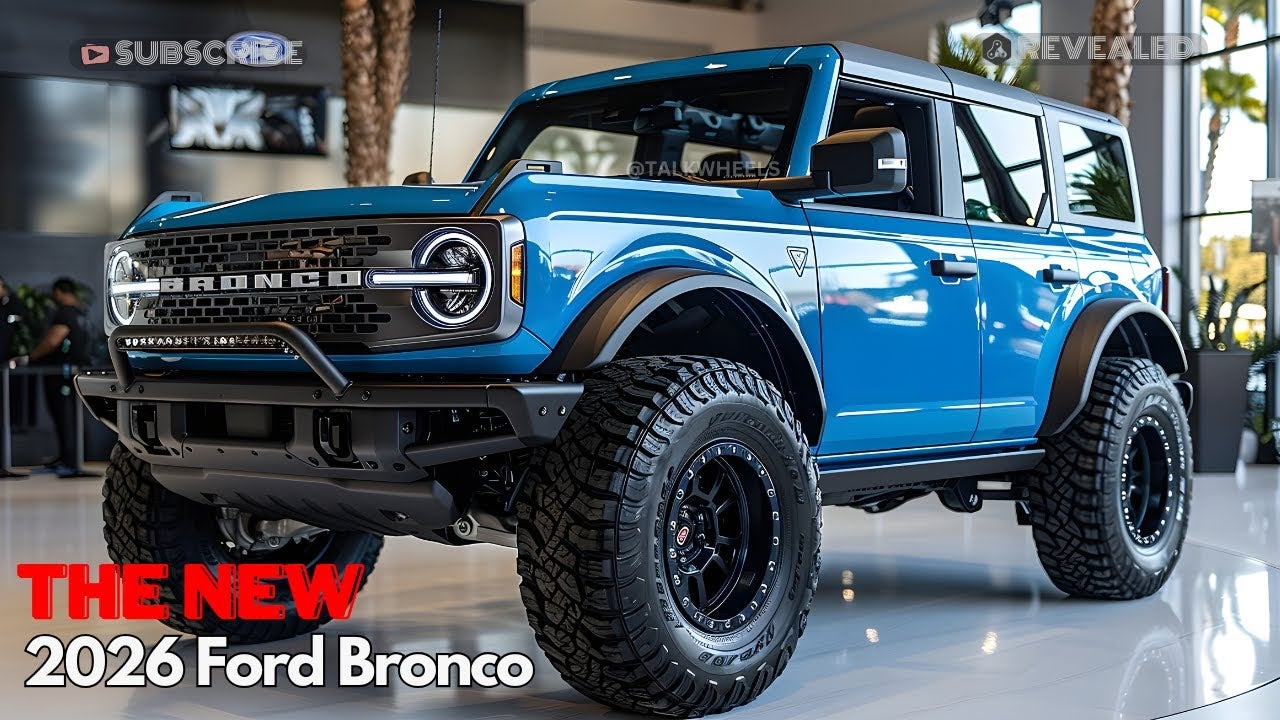
2026 Ford Bronco: Why Feasterville Drivers Are Ready for Adventure The Ford Bronco has done something few vehicles manage to pull off — it revived a legendary nameplate and turned it into one of the most talked-about SUVs on the road in just a few short years. If you've been searching for a 2026 Ford Bronco for sale near Feasterville, PA, or comparing off-road SUVs that can handle everything from a daily commute along Street Road to a weekend off-roading trip in the Poconos, the 2026 Ford Bronco deserves a close look. At Feasterville Ford, we've watched firsthand as the Bronco has captured the attention of adventure seekers, families, and daily commuters throughout Bucks County and the greater Philadelphia area. In this guide, we'll walk through everything that makes the 2026 Bronco stand out: its history, engine options, off-road technology, customization possibilities, interior features, safety tech, fuel economy, trim lineup, pricing considerations, how it compares to rivals like the Jeep Wrangler and Toyota 4Runner, and why buying from a local Feasterville Ford dealership makes the experience easier from test drive to trade-in. A Modern Icon With Real Roots The original Bronco earned its reputation in the 1960s through the 1990s as a rugged, go-anywhere vehicle built for people who needed genuine off-road capability, not just the look of it. When Ford brought the Bronco back, they didn't just borrow the name — they rebuilt the vehicle around the same philosophy: real 4x4 hardware, durable construction, and a design built to be taken apart, driven hard, and put back together. The 2026 model year continues that mission, refining the platform that's made the Bronco a genuine competitor to established off-road SUVs while adding modern conveniences that keep it comfortable and connected for everyday Feasterville life. For local buyers, that combination matters — a vehicle that can tackle a trail on Saturday and handle a school run or a trip to the Philadelphia Premium Outlets on Monday. It's this dual identity — capable enough for serious off-roading, refined enough for daily driving — that has made the Bronco one of the most searched-for SUVs in the segment since its return. Engine Options Built for How You Drive The 2026 Bronco offers a range of powertrains so buyers can choose the right balance of efficiency and capability: 2.3L EcoBoost I-4 — The standard engine delivers a strong balance of everyday drivability and off-road torque, making it a smart choice for buyers who want capability without stepping up to a bigger engine. It's also the most fuel-efficient option in the lineup, which matters for anyone using the Bronco as a daily commuter vehicle around Bucks County. 2.7L EcoBoost V6 — Available on higher trims, this engine adds meaningfully more horsepower and torque, ideal for drivers who want extra confidence when towing a small trailer, hauling gear, or tackling more demanding terrain. Both engines pair with available manual or automatic transmissions depending on trim, and the Bronco offers genuine part-time and full-time 4x4 systems, including Ford's available electronic locking front and rear differentials — hardware you typically only find on dedicated off-road vehicles, not mainstream crossover SUVs. This is one of the key differentiators buyers researching "Bronco vs. Wrangler" or "Bronco vs. 4Runner" consistently point to: real 4x4 hardware rather than an on-demand all-wheel-drive system borrowed from a car-based platform. Fuel Economy and Efficiency While off-road capability is the Bronco's headline feature, efficiency matters too — especially for buyers who'll use the Bronco as a daily driver in addition to weekend adventures. The 2.3L EcoBoost engine offers competitive fuel economy for the segment, and Ford's use of a lightweight yet durable body structure helps offset the fuel economy trade-offs that typically come with serious off-road capability. For buyers cross-shopping fuel economy figures between the Bronco, Wrangler, and 4Runner, our sales team at Feasterville Ford can walk through current EPA estimates for each configuration side by side. Off-Road Technology That Actually Gets Used Where the Bronco really separates itself from other SUVs is in the off-road technology built into nearly every configuration: Terrain Management System with G.O.A.T. Modes (Goes Over Any Terrain) — selectable drive modes tuned for mud, sand, rock crawling, and more, adjusting throttle response, traction control, and transmission behavior automatically. Available Trail Turn Assist — a feature borrowed from serious off-road engineering that can apply braking to the inside rear wheel during tight turns, effectively tightening the Bronco's turning radius on the trail. Available Trail One-Pedal Drive — allows for precise, low-speed off-road maneuvering using just the accelerator pedal, simplifying tricky terrain navigation. Removable doors and roof panels — a signature Bronco feature that lets owners open up the cabin for open-air driving, whether that's a summer cruise through Bucks County or a trail run. Available 35-inch tires and Sasquatch Package — for buyers who want maximum ground clearance, wider track width, and serious rock-crawling capability right off the lot. Available front stabilizer bar disconnect — increases wheel articulation on the trail for maximum traction over uneven terrain, then reconnects automatically for stable on-road handling. For most Feasterville drivers, day-to-day life won't involve rock crawling — but knowing the capability is there, whether for a weekend trip to the Poconos or an unexpected snowstorm commute on Street Road, adds real peace of mind that a typical crossover SUV simply can't match. Two Body Styles, One Adventurous Spirit The Bronco lineup includes both a two-door and four-door configuration, giving buyers flexibility depending on how they'll use the vehicle: Two-Door Bronco — A shorter wheelbase and more compact footprint make this version nimble on tight trails, with a classic, rugged silhouette that pays homage to the original Bronco. Four-Door Bronco — Offers significantly more cargo and passenger room, making it a practical daily driver for families while retaining nearly all the same off-road hardware and capability as the two-door. Most Feasterville-area buyers who plan to use the Bronco as a primary or family vehicle gravitate toward the four-door, while those looking for a dedicated weekend or trail vehicle often prefer the more compact two-door. Both body styles share the same underlying platform, so capability differences between them come down more to wheelbase and weight than to fundamentally different hardware. Interior Comfort Without Losing the Rugged Character The Bronco's cabin is designed to match its go-anywhere personality while still being comfortable enough for daily use: Durable, easy-to-clean materials including available marine-grade vinyl seating that stands up to mud, sand, and wet gear Rubberized, washable flooring on select trims — a genuinely useful feature for anyone who uses the Bronco for camping, hiking, or outdoor recreation A modern SYNC 4 touchscreen interface with wireless Apple CarPlay and Android Auto Available upgraded audio and connectivity features for those who want more refinement alongside the capability Configurable cargo space, with the rear seats folding to accommodate gear, coolers, and equipment for camping trips or job-related hauling Available heated front seats and a heated steering wheel — a welcome feature during Pennsylvania winters It's a cabin built around the idea that you shouldn't have to choose between an SUV that's fun to get dirty in and one that's comfortable to drive every single day, whether that's a job commute or a school run. Safety and Driver-Assist Features Despite its off-road focus, the 2026 Bronco doesn't skimp on modern safety technology. Available features include: Pre-Collision Assist with Automatic Emergency Braking Blind Spot Information System with cross-traffic alert Lane-Keeping System Available adaptive cruise control for highway driving on I-95 or the Pennsylvania Turnpike Rear View Camera with available split-view camera for tight trail navigation These features matter just as much for Bucks County commuters navigating daily traffic as they do for weekend adventurers, giving the Bronco genuine versatility as an everyday vehicle rather than a niche trail toy. Trim Levels for Every Kind of Adventure The 2026 Bronco lineup includes several trims, each tuned for different priorities and budgets: Base — A capable entry point into Bronco ownership with core off-road hardware included standard. Big Bend — Adds additional convenience and styling features while keeping the price approachable. Black Diamond — Built with off-road-focused hardware, including a locking rear differential and skid plates, for buyers who plan to actually use the Bronco's trail capability. Outer Banks — Leans into comfort and styling, appealing to buyers who want the Bronco look and feel with a more refined daily-driving experience. Badlands — One of the most trail-ready trims short of the Raptor, with front and rear locking differentials and specialized suspension tuning. Everglades — Designed for extreme conditions, including water fording capability that goes beyond most other trims. Bronco Raptor — The ultimate performance off-road version, with a widened stance, high-output engine, and desert-racing-inspired suspension for buyers who want maximum capability without compromise. With this range of trims, there's a Bronco built for everyone from the casual weekend explorer to the serious off-road enthusiast — and our team at Feasterville Ford can help match the right trim to your actual driving habits and budget, rather than upselling capability you won't use. How the Bronco Compares to Other Off-Road SUVs Buyers researching the 2026 Bronco are often cross-shopping it against the Jeep Wrangler and Toyota 4Runner — the two other vehicles most associated with genuine off-road capability in this segment. Bronco vs. Jeep Wrangler — Both offer removable doors and roofs, solid off-road hardware, and strong aftermarket support. The Bronco generally offers a more modern interior, more advanced driver-assist technology, and a smoother on-road ride, while the Wrangler holds a slight edge in raw off-road heritage and simplicity of design. Bronco vs. Toyota 4Runner — The 4Runner has long been known for reliability and resale value, but the redesigned Bronco has closed much of that gap while offering more powertrain choices, more modern technology, and greater customization through its trim lineup. For buyers trying to decide between these options, a side-by-side test drive is the best way to feel the differences in ride quality, cabin materials, and technology firsthand — something our team at Feasterville Ford is glad to help arrange. Customization and Accessories Part of the Bronco's appeal is how deeply it can be personalized. Ford offers a wide range of factory-backed accessories, including: Roof racks and rack systems for kayaks, bikes, or rooftop tents Rock rails and skid plates for added trail protection Auxiliary switches pre-wired for aftermarket lighting and equipment Bronco-specific soft tops, hard tops, and modular roof panel systems Off-road-oriented wheel and tire packages Because these accessories are factory-engineered and backed by Ford, they integrate cleanly with the vehicle's warranty — something aftermarket parts can't always guarantee. Our parts and service team at Feasterville Ford can help you plan out accessories at the time of purchase or add them down the road as your needs change. Why Buy Local at Feasterville Ford Shopping for a vehicle as distinctive as the Bronco deserves more than scrolling through spec sheets online. The best way to understand whether the Bronco fits your life is to sit in it, take it for a drive, and talk through your specific needs — commuting, towing, off-roading, or some combination — with a team that knows the vehicle inside and out. Our team at Feasterville Ford can walk you through the differences between trims, explain how packages like Sasquatch or Sasquatch-plus options affect ride quality and capability, and help you find current incentives and rebates that can meaningfully reduce your total cost. We'll also help you explore financing and leasing options tailored to your budget, whether you're buying your first Bronco or upgrading from another SUV. Beyond the sale, choosing a local dealership means ongoing support from a service team that specializes in Ford vehicles, access to genuine OEM parts, and a team that's part of the same Bucks County community you live in. That local relationship matters when it's time for routine maintenance, warranty work, or just some friendly advice on where to take your Bronco off-road for the first time. Frequently Asked Questions About the 2026 Ford Bronco Is the 2026 Ford Bronco good for daily driving? Yes. While the Bronco is built with serious off-road hardware, its refined interior, modern technology, and available comfort features make it a practical daily driver for commuters throughout Feasterville and Bucks County. What's the difference between the two-door and four-door Bronco? The four-door offers more passenger and cargo space, making it better suited to families, while the two-door is more compact and nimble, appealing to buyers who prioritize trail agility. Does the Bronco hold its value well? The Bronco has shown strong resale value since its reintroduction, helped by high demand and a loyal enthusiast following. What trim should I choose if I plan to off-road regularly? Badlands and Bronco Raptor trims offer the most off-road-focused hardware, including locking differentials and specialized suspension tuning, though Black Diamond is a strong mid-range option for occasional trail use. Ready to Experience the 2026 Bronco? Whether you're drawn to the Bronco's rugged trail capability, its open-air driving experience, or simply its unmistakable style, there's no substitute for experiencing it in person. Stop by our Feasterville showroom or schedule a test drive online today, and let our team help you find the Bronco configuration that matches your adventures — wherever they take you. Feasterville Ford — Serving Feasterville, Bucks County, and the greater Philadelphia area.