
Blog / Ford Transit

Are Ford Transit Vans Reliable?

leo_visions-uPC0NoncU10-unsplash

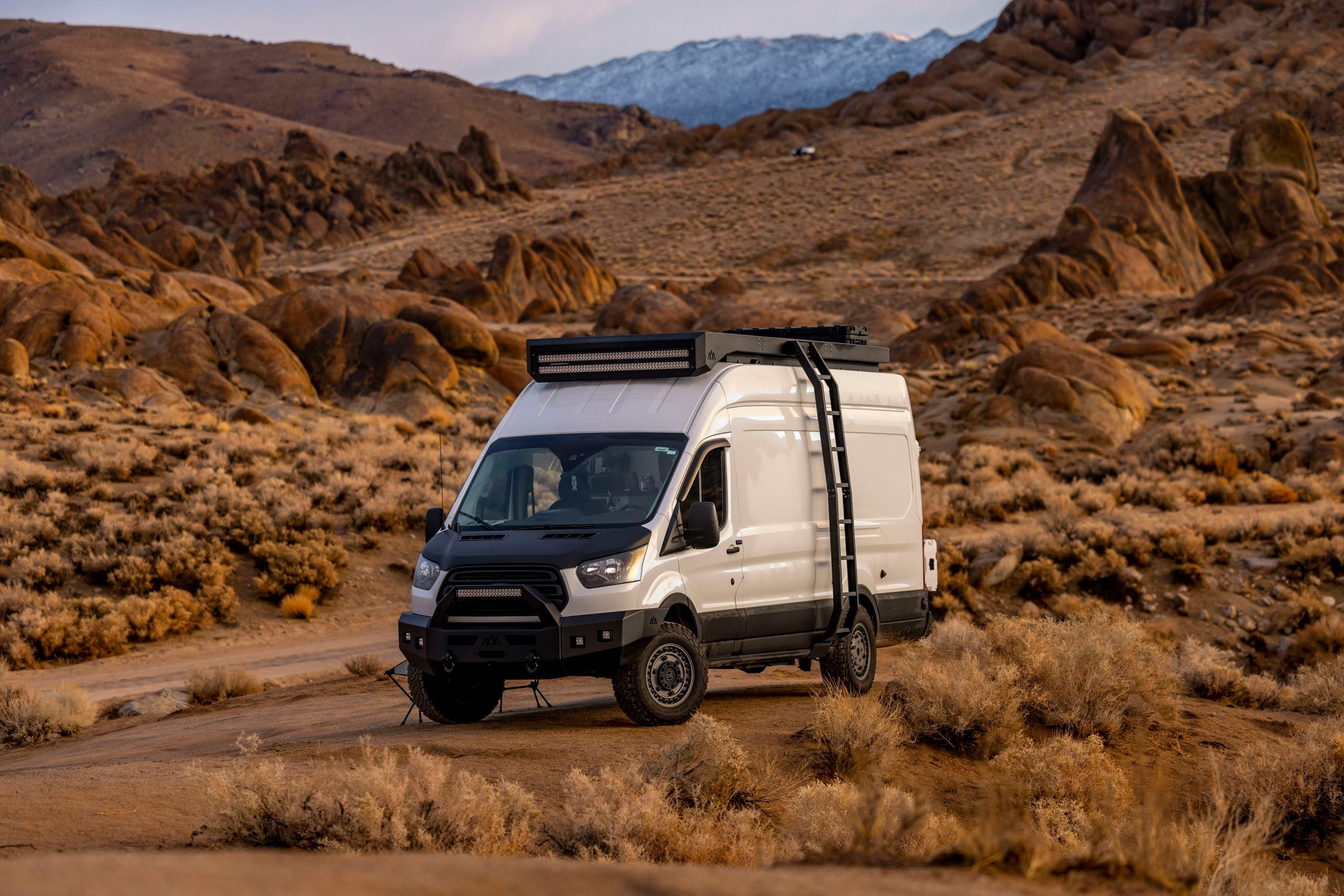
Thinking about getting a Ford Transit van but worried it might leave you stranded with a hefty repair bill? When your business depends on your vehicle showing up day after day, reliability isn't just nice — it's necessary. Ford's Transit has become the workhorse of choice for countless businesses across America, but smart buyers want the facts before signing anything. Let's dig into what actually breaks on these vans, how long they really last, and what you can do to avoid becoming that person broken down on the side of the highway.

Common Ford Transit Reliability Issues and Solutions

While these vans are considered reliable, sometimes things break or get damaged. Turbocharger failure tops the complaint list. This component forces extra air into your engine for more power, but it can fail from oil buildup, excessive heat, or wear. Watch for whistling noises, black smoke, or sluggish acceleration, which are signs that your turbo's failing.

Earlier models had more transmission problems, such as rough shifts, hesitation, or the transmission slipping into neutral. Electrical systems occasionally act up, too. Dash displays malfunction, alternators fail — causing dim lights and electrical glitches, and sensors throw false alarms. Fixing these small electrical issues quickly can prevent costlier failures later.

Ignition coils typically last around 100,000 miles, though driving habits and vehicle type affect this timeline. Failed coils trigger check engine lights, engine misfires, stalling, and poor fuel economy. Bad ignition coils can also damage spark plugs and cause oil leaks. Fortunately, if you catch these symptoms early, you can go to a mechanic to have them fixed and avoid major headaches.

Ford Transit Longevity and Life Span Analysis

With proper care, Transits commonly hit 200,000 to 300,000 miles before major issues appear— impressive for commercial vehicles working daily. Some owners push past 400,000 miles by following maintenance schedules religiously.

The engine you choose affects longevity significantly. Diesel beats gas in the durability race. Diesel engines need less frequent maintenance thanks to robust construction and better heat management. They're also more fuel-efficient, especially on highways or when hauling heavy loads. Diesels prioritize torque over horsepower, delivering powerful low-speed performance excellent for towing and rugged conditions. Well-maintained diesel Transits can last hundreds of thousands of miles.

Transits surpass most competitors, offering better service access than Mercedes Sprinters while outperforming Ram ProMasters in durability. Ford built these specifically for commercial use, with frames and drivetrains designed for a rigorous workload. This commercial DNA gives Transits advantages over vans built for personal use but pressed into work duty.

Best and Worst Ford Transit Model Years

Not all Transit years are created equal. The 2018-2021 models stand tall as the reliability champions. Ford had ironed out most kinks by then while keeping the mechanical systems that actually worked. These years benefited from improved manufacturing processes and updated parts that fixed issues from earlier models. The 2020-2021 vans particularly shine with fewer electrical issues and more reliable turbochargers.

Approach the 2015-2017 models with caution. These early Transits were Ford's first attempt at adapting its European design for American roads and driving habits. They suffer from more transmission troubles, finicky electrical systems, and turbocharger failures. That said, a well-maintained early Transit with all recalls completed can still serve you well. Just check the maintenance records and verify all recall work was done before buying one of these earlier models.

Ford Transit Reliability by Configuration and Use Case

The Transit lineup offers versatile solutions across industries — cargo vans, passenger shuttles, and chassis cabs — each engineered for reliability and efficiency. Usage matters as much as configuration. Cargo vans take harder commercial punishment, while passenger models get gentler treatment but face different stresses from constant loading.

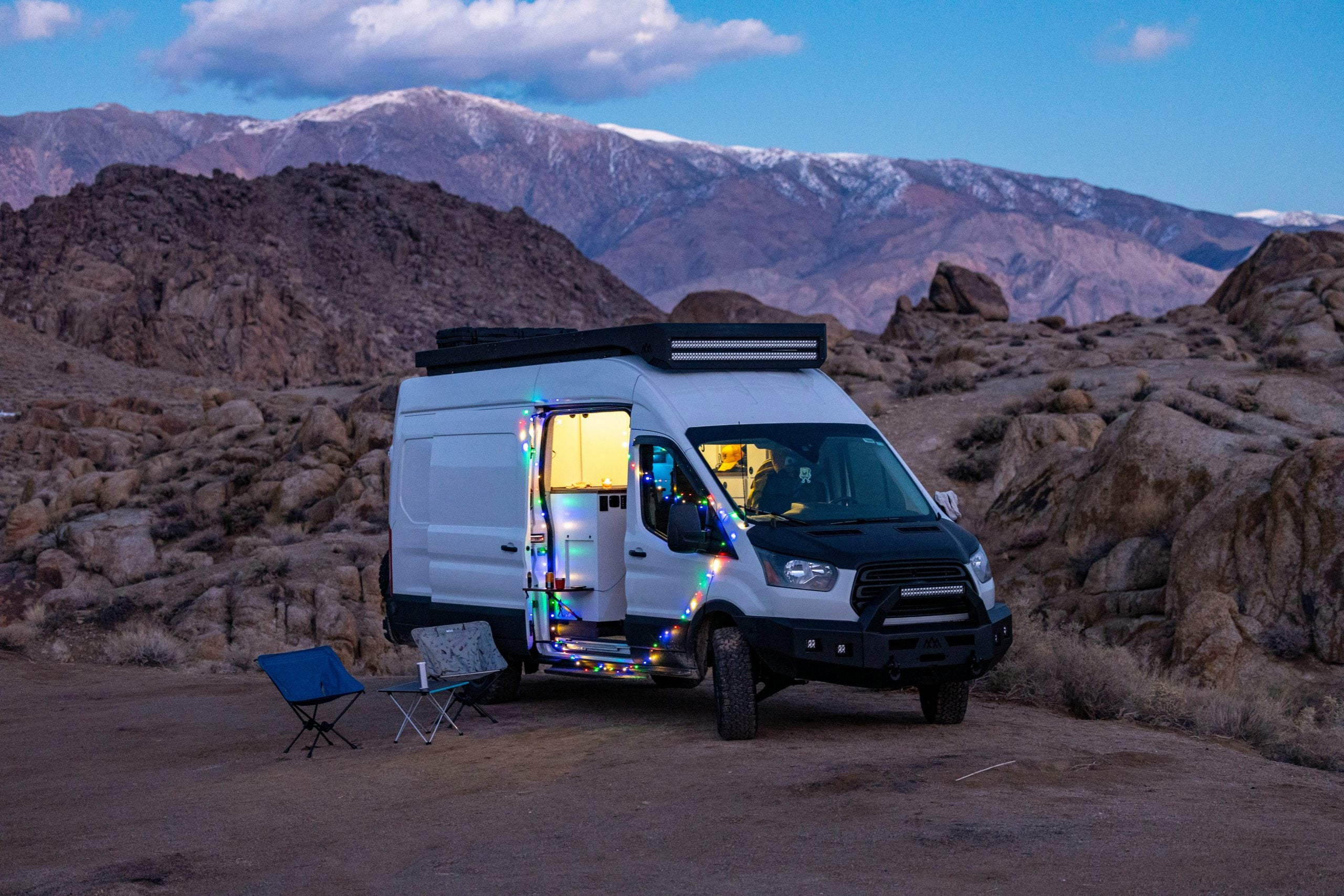
Daily driving patterns also affect component wear. Delivery vans making frequent stops wear transmissions and brakes faster, while highway runners stress turbochargers from sustained speeds but see fewer mechanical issues overall. Van life conversions create moderate mileage but strain electrical systems with added equipment. Ford designed these for commercial use, so they outlast passenger vehicles pressed into work duty.

Maintenance Requirements and Warranty

Transit maintenance isn't complicated. Ford recommends oil changes every 7,500 miles or six months, whichever comes first. Basic schedules include oil and filter changes, tire rotations, and multipoint inspections every 7,500 to 10,000 miles. Don't skip joint lubrication, brake inspections, and exhaust and cooling system checks. Following this schedule maintains your three-year/36,000-mile factory warranty and five-year/60,000-mile powertrain warranty. In addition to these basic tasks, avoiding harsh driving can prevent engine problems.

Ford's dealer network provides Transit owners with major advantages. With over 2,800 dealers nationwide, help stays accessible. Parts availability beats competitors â€” no waiting for European orders. Most mechanics understand Ford systems, and since Transits share components with F-150 trucks, parts stay plentiful and affordable. This accessibility reduces downtime, which is vital for businesses that are losing money when vans sit in shops.

Tips for Maximizing Ford Transit Reliability

Smart ownership starts with catching small problems before they become expensive disasters. Change your oil regularly, follow the service schedule, and avoid driving like you're in a NASCAR race. Check your tire pressure weekly, inspect belts and hoses monthly, keep your battery connections clean, and don't overload your van beyond its limits. Ford's Intelligent Oil Life Monitor helps by tracking your driving style and engine conditions to calculate exactly when you need an oil change.

Get in the habit of quick daily checks. Listen for odd noises, watch for fluid leaks, and pay attention if your van suddenly drives differently. Monitor oil levels in high-mileage vans and check cooling systems often during Pennsylvania's hot months. Don't ignore flashing warning lights, as they're trying to tell you something important. When repairs become necessary, don't cheap out on parts. Bargain components often lead to repeat failures and bigger bills down the road.

If you're shopping for a new Transit, think carefully about how you'll actually use it rather than what looks coolest. You can check out all the Transit options that match your specific needs. When buying a used model, dig into maintenance records, verify recall work was completed, and pay a mechanic for a prepurchase inspection — it's the cheapest insurance you'll ever buy. For high-mileage commercial users, vehicle protection plans make sense. These plans can turn unpredictable repair costs into fixed monthly expenses, helping you budget more accurately.

Find Your Reliable Ford Transit at John Kennedy Ford Feasterville

The heavy-duty construction, massive service network, and reasonable upkeep costs make Transit vans smart picks for businesses that can't afford downtime. Yes, turbocharger problems and electrical quirks happen, but they're manageable with regular care and early fixes.

At John Kennedy Ford Feasterville, our team knows these vans well. We'll help match you with the right configuration and provide ongoing support to keep your investment rolling for years. Whether you need one van or want to talk about fleet options, contact us for details. If you're ready to see why so many businesses trust Transit vans, take one for a spin today.
Posted in:

Related Posts

leo_visions-28x41uHIY58-unsplash

Ford Transit 150 vs. 250: Which Model Fits Your Business Needs Best?

Business owners choosing work vans often have to decide between the Ford Transit 150 and 250 models. Although they may look similar, these two vans have very different capabilities. Their load handling, suspension design, and intended use can significantly affect your profits. In this Ford Transit van size comparison, our team at John Kennedy Ford Feasterville in Pennsylvania explores the difference between the 150 and 250 models to help you choose the right vehicle for your business. more New Transit Inventory Ford Transit 150: Built for Light-Duty Commercial Use The Transit 150 is Ford's entry-level work van, ideal for businesses that prioritize urban mobility over heavy hauling. Flower shops, electricians, and mobile repair services prefer this model for its agility in tight spaces. This model has an 8,800-pound weight rating, a 3,685-pound payload capacity, and a 5,200-pound towing ability. The 150 balances comfort with cost, making it suitable if your business doesn't deal with heavy daily loads. It offers 247 cubic feet of cargo space, while rear-wheel-drive models achieve 17 mpg combined, translating into significant savings for high-mileage operations. This fuel-efficiency advantage compounds over time for businesses making frequent stops. Ford Transit 250: The Midrange Workhorse The Ford Transit 250's weight capacity is 9,150 pounds, and its payload capacity is 3,532 pounds. This model caters to contractors, delivery companies, mobile workshops, and construction crews who need more power than the 150 without requiring the largest van available. The tougher suspension and stronger components are better suited for regular medium loads, yet still offer a smooth ride. The Ford Transit 250 can tow up to 5,800 pounds, providing more power for contractors and mobile workshops to pull equipment trailers. You can choose between multiple roof heights and wheelbases to match your business needs. The 250's fuel efficiency is close to that of the 150 model, but offers extra strength and durability. It's ideal if you have a growing business that carries heavier tools, materials, or products, but you don't want to move to the largest Transit models. Size and Configuration The Ford Transit 150 vs. 250 size configurations are identical, with low, medium, and high roof heights of 81.5, 97.6, and 110.0 inches, respectively. Wheelbase options include the 130-inch regular version, the 147.6-inch long option, and the 158.6-inch extended variant. The overall lengths range from the 219.9-inch medium wheelbase to the 263.9-inch extra-long version. Cargo capacity ranges from 246.7 to 487.3 cubic feet, and both models feature low load floors for easier access. While externally identical, the 250 model features stronger internal components, including reinforced frames, upgraded springs, and a tougher suspension for sustained heavy-duty use. Performance, Capability, and Value Both models offer identical engine options. The standard 3.5-liter V-6 produces 275 horsepower and 262 lb-ft of torque, while the optional 3.5-liter EcoBoost V-6 version delivers 310 horsepower and 400 lb-ft of torque. Both use a 10-speed automatic transmission with standard rear-wheel drive and optional all-wheel drive. The 2025 Transit 150 with the 130-inch wheelbase and low roof starts at $47,400, while the matching 250 configuration begins at $48,400. Your decision between these models depends on what you transport and the nature of your business. The stronger components of the 250 mean less long-term wear and tear. Check out our current Transit stock to see what's available and what deals we're running this month. Which Transit Model Is Right for Your Business? Your typical load weight should be the main factor in your decision. If you regularly haul over 3,000 pounds or frequently tow trailers, the extra investment in the 250 is worth it. The Transit 150 is ideal for lighter tasks and regular driving, while the 250 is perfect for malls and midsize businesses that need more power. Consider the future of your business and plan ahead, as upgrading your van later can cost much more than getting the right one from the start. Also consider your driving habits. If you're driving delivery routes in the city with many stops, the 150's lighter weight and better gas mileage offer a significant advantage. If you're a contractor hauling tools, materials, and equipment, the 250's tougher build is more suitable. To ensure that you make the right choice, book a test-drive to experience these vans firsthand. 2025 Model Year Updates and Changes Ford has introduced four factory trade packages for 2025: an electrician package with drawers, bins, and wire reels; a heating, ventilation, and air conditioning package with shelves and refrigerated storage; a general contractor package with versatile storage; and a folding shelving package for deliveries. Factory installation eliminates aftermarket hassles. Standard safety features now include automatic emergency braking, lane-keep assist, adaptive cruise control, automatic high-beams, and crosswind stabilization. New Smart Acceleration Truncation provides smoother payload-based starts. Additional options include wall liner kits with integrated lighting and D-pillar grab handles. These updates position the 2025 models as top choices for fleet additions. Find Your Perfect Ford Transit at Ford of Feasterville Choosing between the Transit 150 and 250 depends on your requirements, preferences, and budget. The 250 model features a tougher suspension, higher payload limit, and better towing capacity, while the 150 version is ideal for lighter loads, offering better gas mileage. If you're in Feasterville, Pennsylvania, visit us for a firsthand experience. We keep both models in stock with various configurations and can schedule test-drives with your actual cargo to see how they perform. Contact us to explore your financing options, discuss your needs, and schedule an appointment.

ford-bronco-vs-toyota-4runner

2026 Ford Bronco vs. Toyota 4Runner | John Kennedy Ford

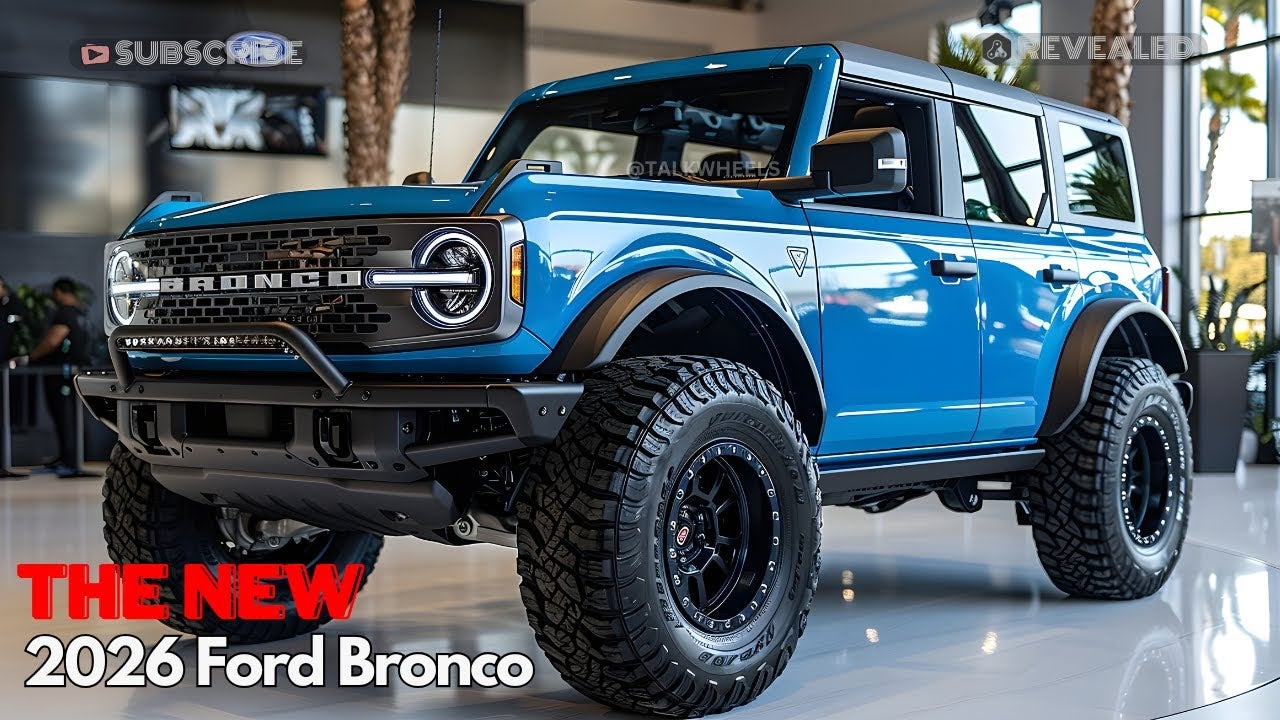
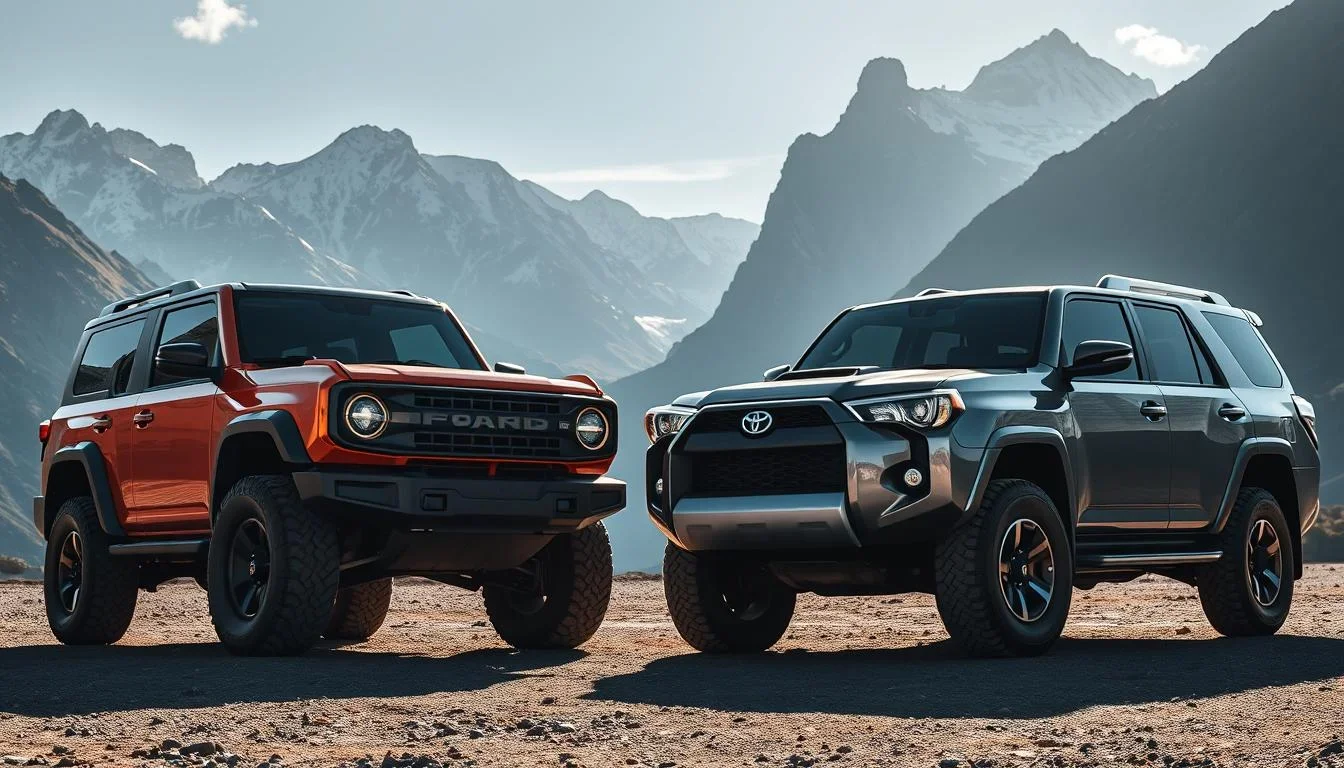
2026 Ford Bronco vs. Toyota 4Runner: Which Off-Roader Wins? The Ford Bronco and Toyota 4Runner are two of the most respected names in true, body-on-frame off-roading. Both are built to handle serious trails, both offer genuine 4x4 hardware rather than just SUV styling, and both have earned loyal followings. But they take real differences in approach when it comes to versatility, power, and everyday usability. Here's a full breakdown from the team at John Kennedy Ford of Feasterville to help you decide which off-roader is right for you. Quick Comparison: 2026 Bronco vs. 2026 4Runner Starting MSRP — Bronco: $40,495 | 4Runner: $41,570 Standard Engine — Bronco: 2.3L EcoBoost Turbo I4, 300 hp / 325 lb-ft | 4Runner: 2.4L i-FORCE Turbo I4, 278 hp / 317 lb-ft Top Available Engine — Bronco Raptor: 3.0L Twin-Turbo V6, 418 hp | 4Runner i-FORCE MAX Hybrid: 326 hp / 465 lb-ft Doors and Roof — Bronco: removable doors and roof, hardtop or soft top | 4Runner: fixed doors and roof, not removable Max Towing — Bronco: up to 4,500 lbs (Raptor) | 4Runner: up to 6,000 lbs Max Cargo Volume (4-door) — Bronco: up to 146.5 cu ft | 4Runner: up to 90.2 cu ft Transmission — Bronco: 7-speed manual (with crawler gear) or 10-speed automatic | 4Runner: 8-speed automatic only Seating — Bronco: up to 5 (2-door or 4-door) | 4Runner: up to 7 (third row available on select trims) Trim Levels — Bronco: 7 trims | 4Runner: 9 trims The Bronco's Signature Advantage: Removable Doors and Roof This is the single biggest difference between these two SUVs, and it's not close. Every 2026 Bronco offers removable doors and a removable roof, whether you choose the soft top or hardtop, giving you a genuine open-air off-roading experience the 4Runner simply can't match. The 4Runner's doors and roof are fixed, full stop — no configuration or trim level changes that. For buyers who want the true Jeep-and-Bronco-style open-air adventure vehicle experience, this alone can be the deciding factor. Power, Space, and Everyday Practicality Every 2026 Bronco comes standard with a turbocharged 2.3L four-cylinder producing 300 horsepower and 325 lb-ft of torque, edging out the 4Runner's standard 2.4L turbo, which makes 278 hp and 317 lb-ft. The Bronco also offers something the 4Runner doesn't: a genuine 7-speed manual transmission with a dedicated crawler gear, for drivers who want full mechanical control on the trail. And when it comes to cargo, the four-door Bronco's 146.5 cubic feet of maximum space is dramatically larger than the 4Runner's 90.2 cubic feet — a real advantage for hauling gear, camping equipment, or a Costco run. To Be Fair: Where the 4Runner Holds Its Own The 4Runner isn't just riding on Toyota's reputation. It can tow up to 6,000 lbs, well ahead of the Bronco's 4,500-lb maximum (available only on the Raptor), making it the better choice for buyers who regularly tow campers, boats, or heavy trailers. The 4Runner also offers a genuine hybrid option in the i-FORCE MAX (326 hp / 465 lb-ft), available third-row seating for up to 7 passengers, and dedicated overlanding trims like the Trailhunter, which comes with an ARB roof rack, onboard air compressor, and Old Man Emu shocks straight from the factory. With nine trims to the Bronco's seven, the 4Runner also offers a bit more granularity in configuration and price point. The Verdict Both of these off-roaders are genuinely excellent, and the right choice depends on what kind of adventure you're after. For buyers who want the true open-air experience with removable doors and roof, more standard horsepower, a manual transmission option, and significantly more cargo space, the 2026 Ford Bronco comes out ahead. The 4Runner remains a strong pick for buyers who prioritize maximum towing capacity, third-row seating, or factory-ready overlanding gear, but if you want the SUV that can transform from daily driver to true open-air trail rig, the Bronco is hard to beat. See the 2026 Ford Bronco for Yourself Visit John Kennedy Ford of Feasterville to test drive the Bronco and see how it compares to the 4Runner in person. View Bronco Inventory Schedule a Test Drive Proudly Serving Feasterville and the Surrounding Communities John Kennedy Ford of Feasterville is a convenient destination for Bronco shoppers throughout Lower Bucks County and the surrounding areas. We're proud to serve drivers from: Feasterville-Trevose, PA Southampton, PA Langhorne, PA Warminster, PA Richboro, PA Churchville, PA Holland, PA Bensalem, PA Ivyland, PA Hatboro, PA Willow Grove, PA Newtown, PA Warrington, PA Northeast Philadelphia, PA No matter which of these communities you call home, our Feasterville showroom is just a short drive away. Browse our full new Ford inventory or visit our homepage to learn more about financing, trade-ins, and current offers. Pricing, specifications, and third-party data referenced above are current as of publication and sourced from Ford.com, Toyota.com, Edmunds, and Kelley Blue Book. Specs and pricing are subject to change by each manufacturer and may not include destination fees, taxes, title, or dealer charges. See John Kennedy Ford of Feasterville for current pricing, incentives, and availability.

2026ToyotaTacoma-vs-2026FordRanger

2026 Ford Ranger vs. Toyota Tacoma | John Kennedy Ford

2026 Ford Ranger vs. Toyota Tacoma: Midsize Truck Comparison The midsize truck segment has never been more competitive, and two of the biggest names in it are the Ford Ranger and the Toyota Tacoma. The Tacoma's recent redesign has made it a major cross-shop target for truck buyers across the country, so it's worth taking a close look at how it actually stacks up against the Ranger. Here's a full, side-by-side breakdown from the team at John Kennedy Ford of Feasterville to help you decide which midsize truck deserves your driveway. Quick Comparison: 2026 Ranger vs. 2026 Tacoma Starting MSRP — Ranger: $33,350 | Tacoma: $32,245 Standard Engine — Ranger: 2.3L EcoBoost Turbo I4, 270 hp / 310 lb-ft | Tacoma: 2.4L Turbo I4, 228 hp / 243 lb-ft (base SR) Top Available Gas Engine — Ranger: 2.7L EcoBoost Twin-Turbo V6, 315 hp / 400 lb-ft | Tacoma: 2.4L Turbo I4, 278 hp / 317 lb-ft Performance/Off-Road Engine — Ranger Raptor: 3.0L Twin-Turbo V6, 405 hp / 430 lb-ft | Tacoma Hybrid (i-FORCE MAX): 326 hp / 465 lb-ft Max Towing — Ranger: up to 7,500 lbs | Tacoma: up to 6,500 lbs Max Payload — Ranger: up to 1,805 lbs | Tacoma: up to 1,460 lbs Transmission — Ranger: 10-speed automatic | Tacoma: 8-speed automatic (manual available on select trims) Trim Levels — Ranger: 4 trims (XL, XLT, Lariat, Raptor) | Tacoma: 8 trims Cab/Bed Configurations — Ranger: SuperCrew only, 5-ft bed | Tacoma: XtraCab or Double Cab, 5-ft or 6-ft bed Power and Capability: Where the Ranger Pulls Ahead Right out of the gate, the Ranger delivers more standard power. Every base Ranger comes with a turbocharged 2.3L four-cylinder producing 270 horsepower and 310 lb-ft of torque, well ahead of the Tacoma's base SR engine, which makes just 228 horsepower and 243 lb-ft. That gap matters for everyday driving, merging, and towing a lighter trailer without needing to step up to a pricier trim. The gap widens further when you look at towing and payload. A properly equipped Ranger can tow up to 7,500 lbs and carry a maximum payload of 1,805 lbs — both numbers that lead the segment and outpace the Tacoma's best figures of 6,500 lbs of towing and 1,460 lbs of payload. At the top of the performance ladder, the Ranger Raptor's 405-hp twin-turbo V6 remains the most powerful gas engine in any midsize truck, matched only by the Tacoma's hybrid i-FORCE MAX powertrain, which trades some horsepower for a segment-leading 465 lb-ft of torque. Everyday Usability and Off-Road Access Ford also widened the Ranger's bed to fit a full 4-foot-wide sheet of plywood flat between the wheel wells, a genuinely useful detail for contractors and DIY haulers alike. For 2026, Ford expanded access to the FX4 Off-Road Package down to the base XL trim, bringing off-road-tuned shocks, a steel bash plate, and an electronic-locking rear differential to budget-focused buyers without requiring a jump to a pricier trim. The Ranger also offers an available 400-watt Pro Power Onboard outlet in the bed, handy for job sites and campsites alike. To Be Fair: Where the Tacoma Holds Its Own The Tacoma isn't just riding on Toyota's reputation. It offers more body style flexibility than the Ranger, with both XtraCab and Double Cab configurations paired with 5-foot or 6-foot beds, versus the Ranger's single SuperCrew-only setup. The Tacoma is also the only truck in this comparison offering a genuine hybrid powertrain, delivering both strong torque and improved efficiency, and a manual transmission remains available on select trims for enthusiasts who want more driver engagement. Add in Toyota's well-earned reputation for long-term reliability and strong resale value, and the Tacoma remains a compelling choice for buyers who prioritize those factors above outright capability. The Verdict Both of these midsize trucks are excellent choices, and the Tacoma's redesign has rightfully made it a strong competitor. But for buyers who want more standard horsepower, best-in-class towing and payload, and increasingly accessible off-road hardware even on entry-level trims, the 2026 Ford Ranger comes out ahead. The Tacoma remains a strong pick for buyers who want more body style options, a hybrid powertrain, or a manual transmission, but if raw capability is what matters most, the Ranger is the stronger overall truck. Test Drive the 2026 Ford Ranger Today Visit John Kennedy Ford of Feasterville to see the Ranger lineup in person and find the trim that's right for you. View Ranger Inventory Schedule a Test Drive Proudly Serving Feasterville and the Surrounding Communities John Kennedy Ford of Feasterville is a convenient destination for Ranger shoppers throughout Lower Bucks County and the surrounding areas. We're proud to serve drivers from: Feasterville-Trevose, PA Southampton, PA Langhorne, PA Warminster, PA Richboro, PA Churchville, PA Holland, PA Bensalem, PA Ivyland, PA Hatboro, PA Willow Grove, PA Newtown, PA Warrington, PA Northeast Philadelphia, PA No matter which of these communities you call home, our Feasterville showroom is just a short drive away. Browse our full new Ford inventory or visit our homepage to learn more about financing, trade-ins, and current offers. Pricing, specifications, and third-party data referenced above are current as of publication and sourced from Ford.com, Toyota.com, Edmunds, Kelley Blue Book, and Autoblog. Specs and pricing are subject to change by each manufacturer and may not include destination fees, taxes, title, or dealer charges. See John Kennedy Ford of Feasterville for current pricing, incentives, and availability.