
Blog / Ford Mustang Mach-E

How Do You Charge a 2025 Ford Mustang Mach-E?

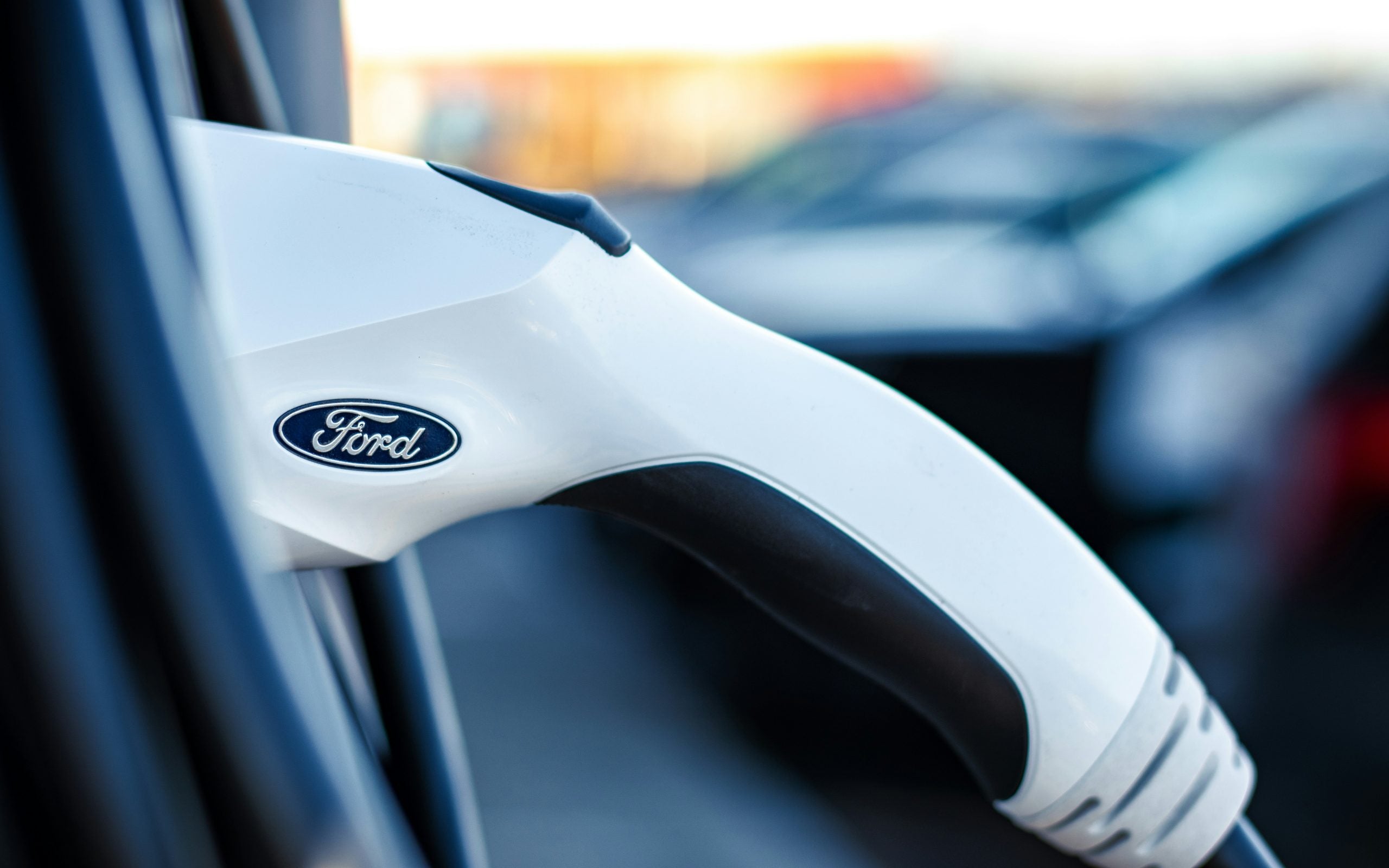
Ford Charging Station

The 2025 Ford Mustang Mach-E brings a fresh take on electric SUVs, blending performance with eco-friendly design. Figuring out how to charge a Ford Mustang Mach-E isn't nearly as complicated as you might think. There's a bunch of handy options that make owning an electric car totally doable for everyday life — whether you're plugging in at home or topping up during a weekend getaway. Our team at John Kennedy Ford Feasterville provides everything you need to know to charge a Mustang Mach-E at a charging station and at home.

Understanding Ford Mustang Mach-E Charging: 2025 Overview

Ford has placed the 2025 Mustang Mach-E's charging port above the front left wheel for easy access. It supports the Combined Charging System (CCS) standard for both AC and DC fast charging.

Ford offers three battery configurations:

  • Standard-range battery: 260 miles EPA-estimated range, 264 horsepower, and 387 lb-ft of torque
  • Extended-range battery: 320 miles range, 272 horsepower, and 387 lb-ft of torque
  • GT extended-range battery: 280 miles range, 480 horsepower, and 600 lb-ft of torque

Extended range models charge at up to 150 kW DC, reaching from 10% to 80% in 36 minutes, while standard range models go from 10% to 80% charge in 32 minutes with fast charging. All models include an 11 kW onboard charger for Type 2 AC charging.

How To Charge a Mustang Mach-E at Home

Charging a Mach-E at home is simple and convenient – just plug it in overnight for a full battery and take advantage of cheaper off-peak electricity rates. Level 1 AC charging (120V outlet) takes about 60 hours to charge from 0% to 100%. Level 2 charging with 240V reduces the time to around 11.7 hours, ideal for overnight use.

Ford's Power Promise program offers new buyers a free Ford Charge Station Pro with standard Qmerit installation when purchasing a 2025 Mustang Mach-E between Oct. 1, 2025, and Jan. 5, 2026. You'll need to have it installed by March 31, 2026. The Ford Charge Station charges from 0% to 100% in 9.6 hours, adding 33.3 miles of range per hour with the rear-wheel-drive (RWD) extended-range battery.

The Ford Mobile Power Cord costs $495 and handles up to 240V. The Ford Charge Station Pro costs $1,310 and delivers 80A compared to the Ford Connected Charge Station's 48A.

Public Charging Networks and DC Fast Charging

Ford's Blue Oval Network offers North America's largest public charging network, now including Tesla Superchargers. The Ford Mustang Mach-E now has access to more than 180,000 public chargers nationwide, including 44,000 DC fast chargers and 25,000 Tesla Superchargers that use the North American Charging Standard (NACS) adapter.

Tesla Supercharger access continues to expand, with February 2025 marking record usage — representing nearly 20% of away-from-home charging sessions for Ford electric vehicle drivers. All 140,000 complimentary NACS adapters have shipped to U.S. customers who reserved them.

Charging a Mach-E from 10% to 80% at Level 3 Fast Charging stations takes just 32 minutes. DC fast charging provides approximately 60 to 80 miles of range in 20 minutes. The FordPass app locates stations, starts sessions, and handles payment seamlessly.

Step-By-Step Charging Instructions

Charging a Ford Mach-E is simple anywhere. For home charging: park within cable reach, open your Ford Mach-E's charging port via the button or FordPass app, plug it in firmly until it clicks, then verify charging started on the display. Public Level 2 stations work similarly but may require card payment or apps.

DC fast charging follows the same process. Locate the charging port above the front left wheel, remove the cap, align the connector, and push until secure. Fast chargers communicate with your car to optimize speed and stop automatically. Tesla Superchargers require a proper NACS adapter connection between your CCS port and their cable.

For the Tesla Supercharger setup, open your FordPass App, tap Home screen, select Connected Services, find BlueOval Charge Network, and tap Manage. Add your credit card information to your Ford Wallet and tap Confirm Activation. The app then locates charging stations, enables pay-as-you-go, and activates Plug & Charge with Tesla Superchargers.

Maximizing Charging Efficiency and Battery Life

Smart charging habits keep your battery healthy longer. Cold weather significantly impacts range. All 2025 models include a standard heat pump for improved cabin heating efficiency. Charge to 80% normally for battery health, but 100% for sufficient range on long journeys.

Connected Navigation plans routes with battery levels and suggests charging stops. Keep your battery between 20% to 80% for best health, and charge overnight during off-peak hours to save money. The FordPass app schedules charging for the cheapest rates and monitors progress remotely.

Cost Analysis and Charging Economics

U.S. electricity averages 15.22 cents per kWh, varying by location and time. Home charging is typically cheapest. An all-wheel-drive (AWD) extended range Mach-E costs approximately $5.67 per 100 miles versus $12.42 for an AWD Ford Escape. Ford estimates a 2025 RWD standard range Mustang Mach-E covering 15,000 miles yearly could save up to $2,982 over three years compared to the 2025 AWD Ford Escape .

Public charging costs more. Level 2 public stations cost less than DC fast chargers but take longer. Fast charging costs more for speed and convenience. Time-of-use rates can cut overnight charging costs by half compared to daytime rates.

Troubleshooting Common Charging Issues

Most charging problems have simple fixes you can try before calling in the professionals. First, check for anything blocking or damaging the charging port. Next, make sure the charger is firmly plugged in at both ends — loose connections won't let you charge properly. If your car's display shows an error message, grab your owner's manual to see what that specific code means.

Weather can cause issues, too. On freezing days, charging might start slowly until your battery warms up, while scorching hot weather can make the system slow down charging speeds to protect the battery. At public stations, if charging won't start, try unplugging and reconnecting, or just move to a different charger at the same location.

Ford's got your back when things go wrong with 24/7 live support for all F-150 Lightning and Mustang Mach-E owners and a complimentary tow if your battery runs dry. Your high-voltage battery comes with an eight-year/100,000-mile warranty (whichever comes first), so you don't need to stress about long-term issues. If your own troubleshooting isn't cutting it, our service center in Feasterville, Pennsylvania, can help put you right.

Experience Electric Innovation at John Kennedy Ford Feasterville

The Mustang Mach-E combines thrilling performance with practical efficiency. With charging options from home to nationwide networks, electric ownership makes sense. Ready to make the switch? Whether you need home charging advice, local public charging info, or electric driving tips, we're here to help. Check out our full lineup of Ford Mustang Mach-E models and book a test drive today to discover how easy electric ownership can be.
Posted in:

Related Posts

ford-bronco-vs-toyota-4runner

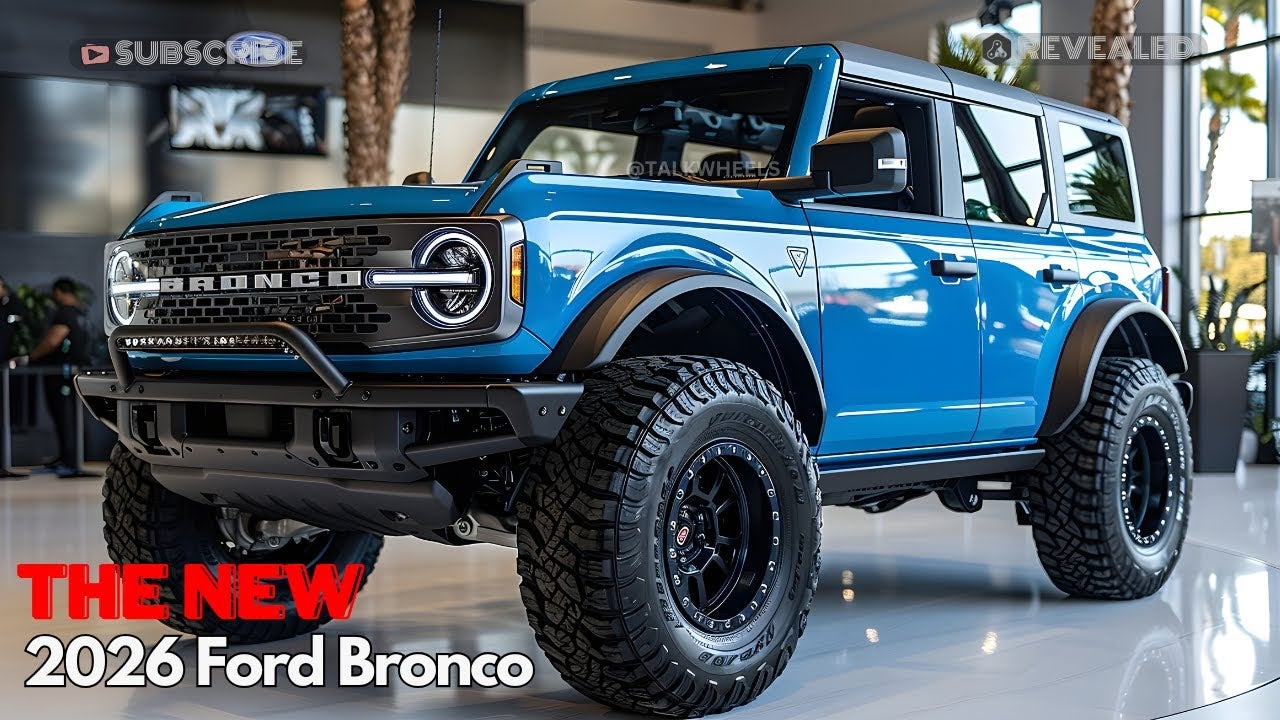
2026 Ford Bronco vs. Toyota 4Runner | John Kennedy Ford

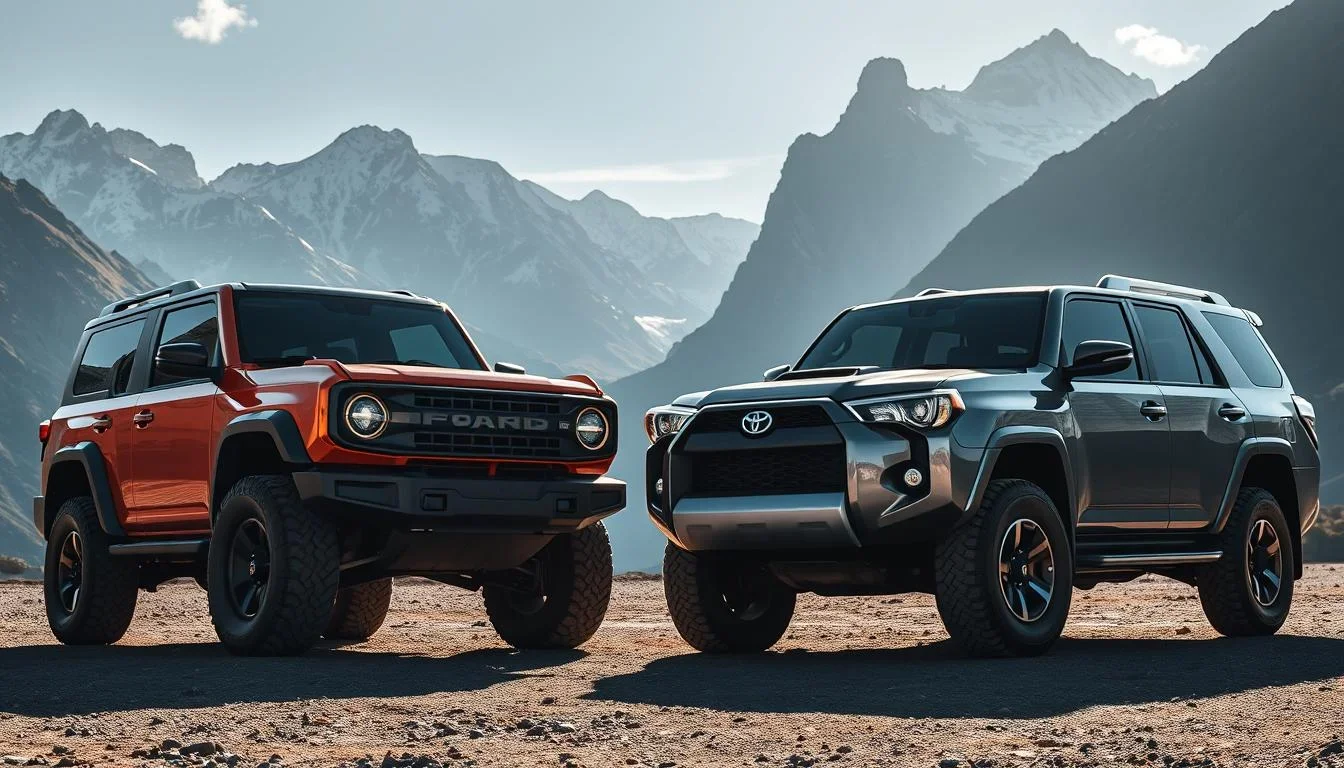
2026 Ford Bronco vs. Toyota 4Runner: Which Off-Roader Wins? The Ford Bronco and Toyota 4Runner are two of the most respected names in true, body-on-frame off-roading. Both are built to handle serious trails, both offer genuine 4x4 hardware rather than just SUV styling, and both have earned loyal followings. But they take real differences in approach when it comes to versatility, power, and everyday usability. Here's a full breakdown from the team at John Kennedy Ford of Feasterville to help you decide which off-roader is right for you. Quick Comparison: 2026 Bronco vs. 2026 4Runner Starting MSRP — Bronco: $40,495 | 4Runner: $41,570 Standard Engine — Bronco: 2.3L EcoBoost Turbo I4, 300 hp / 325 lb-ft | 4Runner: 2.4L i-FORCE Turbo I4, 278 hp / 317 lb-ft Top Available Engine — Bronco Raptor: 3.0L Twin-Turbo V6, 418 hp | 4Runner i-FORCE MAX Hybrid: 326 hp / 465 lb-ft Doors and Roof — Bronco: removable doors and roof, hardtop or soft top | 4Runner: fixed doors and roof, not removable Max Towing — Bronco: up to 4,500 lbs (Raptor) | 4Runner: up to 6,000 lbs Max Cargo Volume (4-door) — Bronco: up to 146.5 cu ft | 4Runner: up to 90.2 cu ft Transmission — Bronco: 7-speed manual (with crawler gear) or 10-speed automatic | 4Runner: 8-speed automatic only Seating — Bronco: up to 5 (2-door or 4-door) | 4Runner: up to 7 (third row available on select trims) Trim Levels — Bronco: 7 trims | 4Runner: 9 trims The Bronco's Signature Advantage: Removable Doors and Roof This is the single biggest difference between these two SUVs, and it's not close. Every 2026 Bronco offers removable doors and a removable roof, whether you choose the soft top or hardtop, giving you a genuine open-air off-roading experience the 4Runner simply can't match. The 4Runner's doors and roof are fixed, full stop — no configuration or trim level changes that. For buyers who want the true Jeep-and-Bronco-style open-air adventure vehicle experience, this alone can be the deciding factor. Power, Space, and Everyday Practicality Every 2026 Bronco comes standard with a turbocharged 2.3L four-cylinder producing 300 horsepower and 325 lb-ft of torque, edging out the 4Runner's standard 2.4L turbo, which makes 278 hp and 317 lb-ft. The Bronco also offers something the 4Runner doesn't: a genuine 7-speed manual transmission with a dedicated crawler gear, for drivers who want full mechanical control on the trail. And when it comes to cargo, the four-door Bronco's 146.5 cubic feet of maximum space is dramatically larger than the 4Runner's 90.2 cubic feet — a real advantage for hauling gear, camping equipment, or a Costco run. To Be Fair: Where the 4Runner Holds Its Own The 4Runner isn't just riding on Toyota's reputation. It can tow up to 6,000 lbs, well ahead of the Bronco's 4,500-lb maximum (available only on the Raptor), making it the better choice for buyers who regularly tow campers, boats, or heavy trailers. The 4Runner also offers a genuine hybrid option in the i-FORCE MAX (326 hp / 465 lb-ft), available third-row seating for up to 7 passengers, and dedicated overlanding trims like the Trailhunter, which comes with an ARB roof rack, onboard air compressor, and Old Man Emu shocks straight from the factory. With nine trims to the Bronco's seven, the 4Runner also offers a bit more granularity in configuration and price point. The Verdict Both of these off-roaders are genuinely excellent, and the right choice depends on what kind of adventure you're after. For buyers who want the true open-air experience with removable doors and roof, more standard horsepower, a manual transmission option, and significantly more cargo space, the 2026 Ford Bronco comes out ahead. The 4Runner remains a strong pick for buyers who prioritize maximum towing capacity, third-row seating, or factory-ready overlanding gear, but if you want the SUV that can transform from daily driver to true open-air trail rig, the Bronco is hard to beat. See the 2026 Ford Bronco for Yourself Visit John Kennedy Ford of Feasterville to test drive the Bronco and see how it compares to the 4Runner in person. View Bronco Inventory Schedule a Test Drive Proudly Serving Feasterville and the Surrounding Communities John Kennedy Ford of Feasterville is a convenient destination for Bronco shoppers throughout Lower Bucks County and the surrounding areas. We're proud to serve drivers from: Feasterville-Trevose, PA Southampton, PA Langhorne, PA Warminster, PA Richboro, PA Churchville, PA Holland, PA Bensalem, PA Ivyland, PA Hatboro, PA Willow Grove, PA Newtown, PA Warrington, PA Northeast Philadelphia, PA No matter which of these communities you call home, our Feasterville showroom is just a short drive away. Browse our full new Ford inventory or visit our homepage to learn more about financing, trade-ins, and current offers. Pricing, specifications, and third-party data referenced above are current as of publication and sourced from Ford.com, Toyota.com, Edmunds, and Kelley Blue Book. Specs and pricing are subject to change by each manufacturer and may not include destination fees, taxes, title, or dealer charges. See John Kennedy Ford of Feasterville for current pricing, incentives, and availability.

2026ToyotaTacoma-vs-2026FordRanger

2026 Ford Ranger vs. Toyota Tacoma | John Kennedy Ford

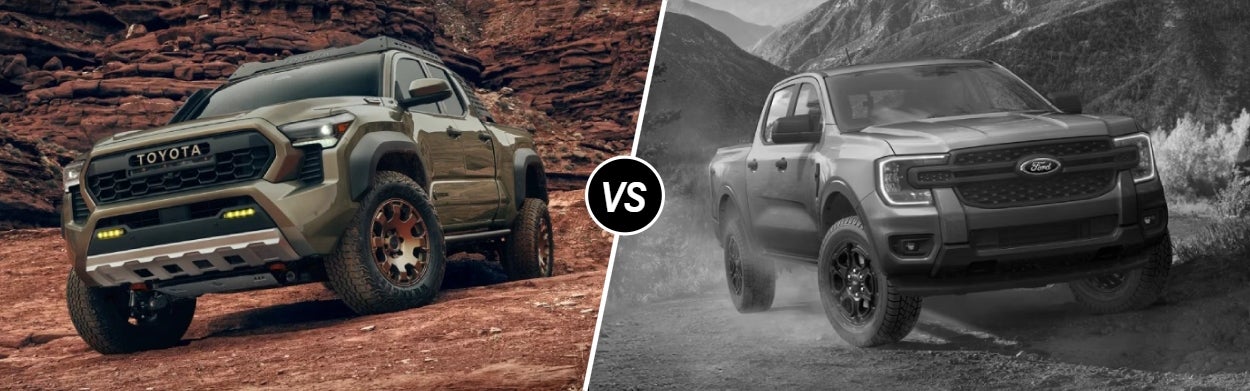
2026 Ford Ranger vs. Toyota Tacoma: Midsize Truck Comparison The midsize truck segment has never been more competitive, and two of the biggest names in it are the Ford Ranger and the Toyota Tacoma. The Tacoma's recent redesign has made it a major cross-shop target for truck buyers across the country, so it's worth taking a close look at how it actually stacks up against the Ranger. Here's a full, side-by-side breakdown from the team at John Kennedy Ford of Feasterville to help you decide which midsize truck deserves your driveway. Quick Comparison: 2026 Ranger vs. 2026 Tacoma Starting MSRP — Ranger: $33,350 | Tacoma: $32,245 Standard Engine — Ranger: 2.3L EcoBoost Turbo I4, 270 hp / 310 lb-ft | Tacoma: 2.4L Turbo I4, 228 hp / 243 lb-ft (base SR) Top Available Gas Engine — Ranger: 2.7L EcoBoost Twin-Turbo V6, 315 hp / 400 lb-ft | Tacoma: 2.4L Turbo I4, 278 hp / 317 lb-ft Performance/Off-Road Engine — Ranger Raptor: 3.0L Twin-Turbo V6, 405 hp / 430 lb-ft | Tacoma Hybrid (i-FORCE MAX): 326 hp / 465 lb-ft Max Towing — Ranger: up to 7,500 lbs | Tacoma: up to 6,500 lbs Max Payload — Ranger: up to 1,805 lbs | Tacoma: up to 1,460 lbs Transmission — Ranger: 10-speed automatic | Tacoma: 8-speed automatic (manual available on select trims) Trim Levels — Ranger: 4 trims (XL, XLT, Lariat, Raptor) | Tacoma: 8 trims Cab/Bed Configurations — Ranger: SuperCrew only, 5-ft bed | Tacoma: XtraCab or Double Cab, 5-ft or 6-ft bed Power and Capability: Where the Ranger Pulls Ahead Right out of the gate, the Ranger delivers more standard power. Every base Ranger comes with a turbocharged 2.3L four-cylinder producing 270 horsepower and 310 lb-ft of torque, well ahead of the Tacoma's base SR engine, which makes just 228 horsepower and 243 lb-ft. That gap matters for everyday driving, merging, and towing a lighter trailer without needing to step up to a pricier trim. The gap widens further when you look at towing and payload. A properly equipped Ranger can tow up to 7,500 lbs and carry a maximum payload of 1,805 lbs — both numbers that lead the segment and outpace the Tacoma's best figures of 6,500 lbs of towing and 1,460 lbs of payload. At the top of the performance ladder, the Ranger Raptor's 405-hp twin-turbo V6 remains the most powerful gas engine in any midsize truck, matched only by the Tacoma's hybrid i-FORCE MAX powertrain, which trades some horsepower for a segment-leading 465 lb-ft of torque. Everyday Usability and Off-Road Access Ford also widened the Ranger's bed to fit a full 4-foot-wide sheet of plywood flat between the wheel wells, a genuinely useful detail for contractors and DIY haulers alike. For 2026, Ford expanded access to the FX4 Off-Road Package down to the base XL trim, bringing off-road-tuned shocks, a steel bash plate, and an electronic-locking rear differential to budget-focused buyers without requiring a jump to a pricier trim. The Ranger also offers an available 400-watt Pro Power Onboard outlet in the bed, handy for job sites and campsites alike. To Be Fair: Where the Tacoma Holds Its Own The Tacoma isn't just riding on Toyota's reputation. It offers more body style flexibility than the Ranger, with both XtraCab and Double Cab configurations paired with 5-foot or 6-foot beds, versus the Ranger's single SuperCrew-only setup. The Tacoma is also the only truck in this comparison offering a genuine hybrid powertrain, delivering both strong torque and improved efficiency, and a manual transmission remains available on select trims for enthusiasts who want more driver engagement. Add in Toyota's well-earned reputation for long-term reliability and strong resale value, and the Tacoma remains a compelling choice for buyers who prioritize those factors above outright capability. The Verdict Both of these midsize trucks are excellent choices, and the Tacoma's redesign has rightfully made it a strong competitor. But for buyers who want more standard horsepower, best-in-class towing and payload, and increasingly accessible off-road hardware even on entry-level trims, the 2026 Ford Ranger comes out ahead. The Tacoma remains a strong pick for buyers who want more body style options, a hybrid powertrain, or a manual transmission, but if raw capability is what matters most, the Ranger is the stronger overall truck. Test Drive the 2026 Ford Ranger Today Visit John Kennedy Ford of Feasterville to see the Ranger lineup in person and find the trim that's right for you. View Ranger Inventory Schedule a Test Drive Proudly Serving Feasterville and the Surrounding Communities John Kennedy Ford of Feasterville is a convenient destination for Ranger shoppers throughout Lower Bucks County and the surrounding areas. We're proud to serve drivers from: Feasterville-Trevose, PA Southampton, PA Langhorne, PA Warminster, PA Richboro, PA Churchville, PA Holland, PA Bensalem, PA Ivyland, PA Hatboro, PA Willow Grove, PA Newtown, PA Warrington, PA Northeast Philadelphia, PA No matter which of these communities you call home, our Feasterville showroom is just a short drive away. Browse our full new Ford inventory or visit our homepage to learn more about financing, trade-ins, and current offers. Pricing, specifications, and third-party data referenced above are current as of publication and sourced from Ford.com, Toyota.com, Edmunds, Kelley Blue Book, and Autoblog. Specs and pricing are subject to change by each manufacturer and may not include destination fees, taxes, title, or dealer charges. See John Kennedy Ford of Feasterville for current pricing, incentives, and availability.

A white Ford Explorer in a field

2026 Ford Explorer vs Toyota Highlander

Choosing between the Ford Explorer and Toyota Highlander means understanding what matters most to your family. Both three-row SUVs bring distinct strengths to Bucks County driveways, but their differences reveal themselves quickly once you dig into performance, technology, and everyday practicality. The Explorer leans into power and capability, while the Highlander emphasizes efficiency and refinement. Ready to experience the difference firsthand? Explore our 2026 Ford Explorer inventory at John Kennedy Ford Feasterville to see available trims and schedule your test drive. more Explorer Inventory 2026 Ford Explorer vs Toyota Highlander: Key Differences at a Glance When you compare Ford Explorer and Toyota Highlander models, the contrasts become clear across several critical areas. The Explorer delivers more engine variety and significantly higher towing capacity, making it the stronger choice for families who haul trailers or need robust performance. The Highlander counters with hybrid efficiency and Toyota's reputation for reliability. Feature 2026 Ford Explorer 2026 Toyota Highlander Base Engine 2.3L turbo 4-cylinder, 300 hp, 310 lb-ft torque 2.4L turbo 4-cylinder, 265 hp, 310 lb-ft torque Top Engine 3.0L turbo V6, 385 hp, 415 lb-ft torque Hybrid 2.5L, 243 hp, 175 lb-ft torque Towing Capacity Up to 5,000 lbs Up to 5,000 lbs (gas), 3,500 lbs (hybrid) Fuel Economy (combined) 23-24 mpg (gas), up to 29 hwy mpg 24 mpg (gas), 35 mpg (hybrid) Safety Ratings NHTSA 5 stars, IIHS Top Safety Pick+ (2026) NHTSA 5 stars, not IIHS Top Safety Pick Seating Up to 7 Up to 8 (optional) Key Trims Active 100A, Active, ST-Line, Tremor, Platinum, ST XLE, XSE, Limited, Platinum (AWD standard) Unique Tech BlueCruise hands-free driving Standard ADAS suite These SUVs take different approaches to technology and interior space. The Explorer typically offers a larger standard touchscreen and more aggressive styling. Both provide three-row seating, but the Explorer generally delivers more cargo volume and better third-row comfort for adults. Performance and Powertrain: The Explorer's Advantage The biggest difference when you look at Ford Explorer vs Toyota Highlander specs comes down to what's under the hood. The Explorer's engine lineup provides options that cater to different driving styles, from fuel-conscious commuters to performance enthusiasts. Engine Options and Power Output The Explorer's base 2.3L turbocharged EcoBoost engine delivers 300 hp and 310 lb-ft of torque, giving it a 35 hp advantage over the Highlander's 2.4L turbo that produces 265 hp. You'll feel this difference merging onto I-95 or passing slower traffic on Route 1. The available 3.0L turbo V6 pushes output to 385 hp and 415 lb-ft torque for those wanting even more capability. The Explorer uses a 10-speed automatic transmission that provides smooth shifts and helps optimize fuel economy across different driving conditions. This advanced gearbox works seamlessly with the engine options to deliver responsive acceleration when you need it and efficient cruising when you don't. Towing Capacity and Off-Road Capability If towing matters to your family, the Explorer wins decisively. Both gas models tow up to 5,000 lbs, making them suitable for campers, boats, or utility trailers. However, the Highlander Hybrid drops to just 3,500 lbs towing capacity, limiting your options if you choose that powertrain. Off-road capability separates these vehicles further. The new-for-2026 Tremor trim offers enhanced ground clearance, skid plates, and intelligent four-wheel-drive systems designed for rough terrain. It includes off-road tires and terrain management modes that adapt to different surfaces. The Highlander handles light trails and winter weather competently but lacks the Explorer's specialized off-road engineering. Technology and Infotainment Features Modern families expect their SUVs to double as mobile command centers. Both vehicles deliver on connectivity and entertainment, but their approaches differ in screen size, interface design, and available upgrades. Touchscreen Interface and Connectivity The Ford Explorer features a larger standard touchscreen compared to the Highlander, giving you and your passengers a better view of navigation maps and entertainment options. The interface responds quickly and organizes features logically. Apple CarPlay and Android Auto come standard, ensuring seamless smartphone integration regardless of platform preference. Voice commands work reliably in the Explorer. You can adjust climate controls, change radio stations, or get directions without taking your hands off the wheel. The system understands natural language, making it feel intuitive during your Feasterville-Trevose commute. BlueCruise and Premium Audio BlueCruise hands-free driving technology sets the Explorer apart on long highway trips. Available on select trims, this system handles steering, acceleration, and braking on pre-mapped highways, reducing fatigue during I-95 commutes. The Highlander lacks comparable hands-free driving capability. Audio quality gives the Explorer an edge for families who value entertainment. The available B&O premium sound system delivers clearer highs and deeper bass than the Highlander's standard setup, transforming your daily commute into a concert experience. Higher trims include strategically placed speakers throughout the cabin, creating immersive sound every passenger can enjoy. Safety Features and Driver Assistance Systems Both the Ford Explorer and Toyota Highlander prioritize keeping your family safe, but the Explorer often includes more advanced driver-assistance technologies as standard equipment. The 2026 Explorer earned NHTSA's 5-star overall safety rating and IIHS Top Safety Pick+ designation, while the Highlander received 5 stars from NHTSA but didn't qualify for the IIHS Top Safety Pick award. This distinction reflects the Explorer's comprehensive safety suite and crashworthiness. Features like adaptive cruise control adjust your speed automatically to maintain safe following distance, reducing fatigue during highway drives. Lane-keeping assist provides gentle steering inputs to help you stay centered in your lane, particularly useful during long trips. The Explorer's 360-degree camera system gives you a bird's-eye view of your surroundings, making parking in tight Feasterville shopping centers easier and safer. The technology stitches together feeds from multiple cameras to create a comprehensive view that eliminates blind spots. Blind-spot monitoring and rear cross-traffic alert come standard on most Explorer trims, warning you about vehicles approaching from the side or behind when backing out of crowded parking spaces. Interior Space, Comfort, and Cargo Capacity The practical side of comparing Ford Explorer vs Toyota Highlander size reveals important differences that affect daily life. How these SUVs use their interior volume impacts everything from family road trips to grocery runs. Passenger Seating and Third-Row Comfort The Explorer typically provides more generous third-row accommodations, making it more comfortable for teenagers or adults who occasionally need that back seat. Despite similar exterior dimensions, the Explorer's design prioritizes passenger space more effectively. Access to the third row is easier thanks to second-row seats that slide and tilt forward smoothly. Second-row captain's chairs come available on both SUVs, but the Explorer's versions offer more adjustment range and better cushioning. This matters during long drives when passengers want to find their ideal seating position. Cargo Volume and Storage Flexibility Maximum cargo capacity favors the Explorer. You get more room for luggage, sports equipment, and everything else families accumulate. With the third row folded, the Explorer provides substantially more cubic feet of storage than the Highlander, meaning fewer roof rack loads and more options for weekend getaways. The Explorer's cargo area includes underfloor storage compartments and numerous tie-down points that help organize gear and prevent items from sliding around. The wide liftgate opening makes loading bulky items easier, and the low load floor reduces lifting height for heavy objects. Pricing and Trim-Level Value for Bucks County Families When you weigh Ford Explorer or Toyota Highlander options against your budget, both SUVs offer competitive entry prices with various trim levels serving different needs. The Explorer's base trims deliver strong value with generous standard equipment, including modern safety features and connectivity options. Mid-level trims add luxury touches and performance upgrades without pushing prices into premium territory. The Explorer's diverse trim lineup means you can find a configuration that matches your priorities precisely. Looking for maximum capability? The Tremor and ST trims deliver off-road prowess and sport-tuned performance respectively. Need luxury features? The Platinum trim rivals premium brands with leather upholstery, advanced technology, and refined materials throughout. Ford Explorer vs Toyota Highlander reliability discussions often favor Toyota, but Ford has narrowed that gap considerably in recent years. The Explorer benefits from Ford's commitment to quality improvements and comes backed by comprehensive warranty coverage. At John Kennedy Ford Feasterville, you also gain access to certified technicians who know these vehicles inside and out, ensuring long-term reliability through proper maintenance. Schedule Your 2026 Ford Explorer Test Drive at John Kennedy Ford Feasterville Experience the Difference Behind the Wheel Reading specifications only tells part of the story. The real comparison happens behind the wheel, where you can feel how the Explorer's powertrain responds, test the infotainment system with your devices, and verify that the third-row seats work for your family's needs. Visit Our Feasterville Location Located at 620 Bustleton Pike in Feasterville, Pennsylvania, our dealership has served local families since the John Kennedy Auto Group was founded in 1955. That decades-long commitment means you'll work with professionals who understand local driving conditions, from winter weather concerns to the best routes for avoiding Philadelphia traffic. Get Started Today Call our sales team at 267-215-4267 to arrange your test drive. We're open Monday through Friday from 9 AM to 8 PM and Saturdays from 9 AM to 5 PM. You can also contact our team to ask questions or request specific information about the 2026 Explorer's features and availability. Experience the Ford Explorer's performance advantage and technology features firsthand.