Blog / 0-60 Times

Ford Lightning 0-60 Times and Acceleration

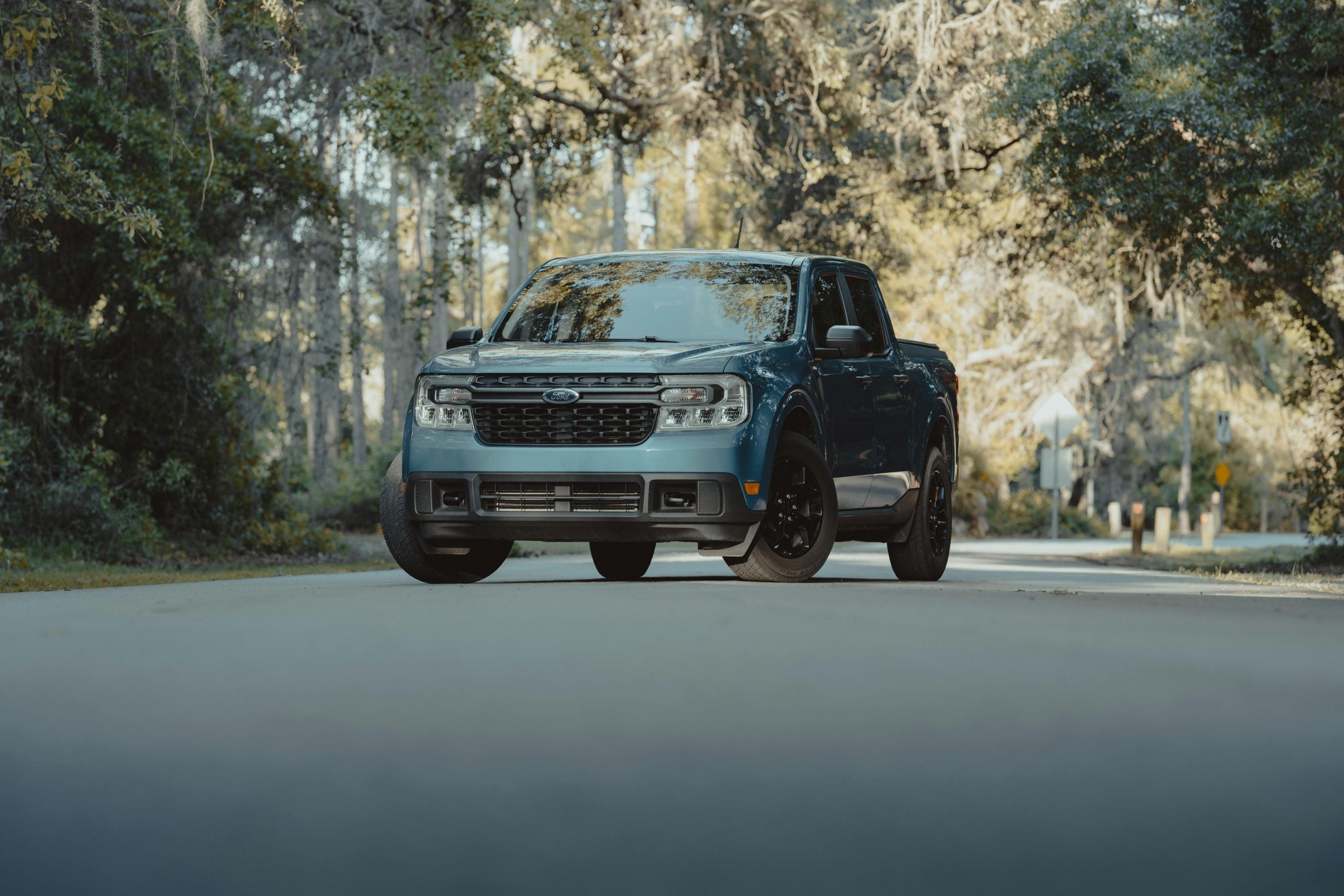
Truck Car on Road in Forest

The Ford F-150 lineup has long been a staple in the American automotive landscape and is famous for its durability, versatility, and power. With the introduction of the all-electric Ford F-150 Lightning, Ford has ushered in a new era in its electrification strategy, highlighting the potential for electric vehicles (EVs) to blend performance with utility. As Ford expands its electrified offerings, the Lightning stands out for its innovative features and remarkable performance metrics, including its impressive acceleration capabilities.

Understanding Acceleration

Acceleration is the time it takes a vehicle to go from 0 to 60 mph. It's a key performance metric that provides a snapshot of a vehicle's power and responsiveness. If you're an automotive enthusiast, quick acceleration is thrilling, but even as an everyday driver, it ensures confidence in merging and overtaking. 

EVs, such as the Ford Lightning, have redefined expectations with their ability to deliver instant torque, making rapid acceleration one of their hallmark features. This is unlike gas-powered vehicles, which have to burn fuel to create and transfer power from the engine to the wheels. Various factors, including motor power, weight distribution, and battery technology, determine an EV's acceleration prowess.

Ford Lightning's Performance

Ford's decision to electrify their iconic F-150 truck results in an impressive performance for the Lightning, registering a 0-60 mph sprint time that can rival sports cars. While all Lightning models have a dual-motor setup, the power output and acceleration figures vary depending on whether you opt for a standard or extended-range battery. Here's a quick look at the Ford F-150 Lightning's horsepower, torque, and acceleration:

  • Standard range: 452 hp, 775 lb-ft of torque, and 0 to 60 mph in 4.2 seconds
  • Extended range: 580 hp, 775 lb-ft of torque, and 0 to 60 mph in 3.8 seconds

Independent tests, such as those conducted by Car and Driver, confirmed the extended range variant's stunning 4-second 0-to-60 mph sprint time, a remarkable achievement for a full-sized electric truck. This rapid acceleration is due to the dual-motor system and the electric powertrain's ability to deliver immediate torque.

Comparison With Competitors

The Ford Lightning's acceleration stands strong against electric trucks in the current market. Car and Driver, for instance, places it second in its list of the best electric pickup trucks. Here's a rundown of the acceleration times of other popular electric trucks:

  • Rivian R1T: 3.1 seconds
  • Tesla Cybertruck: 2.6 seconds
  • Ram 1500 (REV and Ramcharger): 4.4 seconds

The Ford Lightning's 0-60 time is better than that of the electric Ram 1500. While it slightly trails the Rivian and Tesla in terms of raw acceleration, the Lightning holds its ground with its blend of power, utility, and price. It offers a compelling package for truck shoppers looking for speed and performance like sports cars.

Factors Influencing Acceleration

Several aspects influence a vehicle's acceleration capabilities:

  • Battery pack size and power output: Larger batteries with higher output enhance acceleration. This is why the Ford Lightning motor with extended range is faster than models with a smaller, standard battery pack.
  • Dual-motor all-wheel-drive (AWD) system: This system ensures optimal power distribution to enhance traction and speed. It's why AWD vehicles often offer better acceleration than their two-wheel-drive counterparts.
  • Weight distribution and vehicle dynamics: Balanced vehicle dynamics improve handling and acceleration. When weight is properly distributed between the axles, the truck performs better overall.
  • Tire grip and road conditions: Tires and surface quality significantly affect acceleration performance. An AWD vehicle with all-season tires may be slower on icy roads than a two-wheel-drive car with winter tires.

Pros and Cons of Ford Lightning's Acceleration

The Lightning's rapid acceleration offers various benefits. It's ideal for daily commutes because of its quick starts and seamless shifts, making it easy to merge into traffic, take off from stop signs, and pass other vehicles safely. With its 10,000-pound towing capacity and ability to maintain a steady performance while hauling a load, it's a great choice if you're seeking a reliable work truck.

There are downsides to the Lightning's impressive acceleration. It can impact range and efficiency, which may be a consideration if you drive long distances. The safety of high-performance capabilities also requires careful driving practices, especially if you're unaccustomed to the rapid response of electric motors.

User Experiences and Testimonials

Ford Lightning owners have shared an overwhelmingly positive reception of its acceleration capabilities. Professional reviews from automotive journalists celebrate its blend of power and utility, while social media buzzes with excitement from early adopters. Edmunds's expert review praises the latest model's ability to "accelerate quicker than many sports cars" and notes its smooth handling. Consumer reviews on the same site are also very favorable. Here are a few of the comments regarding the Lightning's acceleration:

  • "The performance of this vehicle is outstanding. I'm out beating Hellcats light to light while driving a full-size truck." - Steve.
  • "You hit the gas, and you swear driving a sports car. Very fast." - AlRagu.
  • "It's ridiculously fast.... It drives buttery smooth, quiet, and zesty around turns." - surfer88.

Enhancements and Future Models

Looking ahead, Ford plans to potentially introduce even faster versions of the Lightning. There's speculation about a high-performance Raptor variant, which could push the limits even further. Ford's commitment to software updates may also enhance existing metrics, offering you improved performance over time. The automaker's roadmap includes further advancements in electric technology, promising an exciting future for Ford's electric truck lineup.

Buyer's Guide: Evaluating Your Need for Speed

If you're considering the Ford Lightning, understanding your speed and performance needs is crucial. This electric truck is ideal if you want the thrill of driving a sports car and the utility of a pickup. It's a good choice if range and fuel economy can take a back seat to raw power. Consider available performance packages and test-drive options to experience this pickup firsthand.

Experience the Ford Lightning Today at John Kennedy Ford Feasterville

If you're intrigued by the Ford Lightning's acceleration and are ready to feel its power, head to John Kennedy Ford Feasterville to explore this groundbreaking vehicle. Whether you're seeking performance for daily tasks or weekend adventures, the Lightning delivers. Contact us to schedule your test-drive today, and prepare to be amazed by Ford's revolutionary path in electric mobility. You can also visit our dealership to explore our inventory of new Ford Lightning models and learn about financing options.

Posted in:

Related Posts

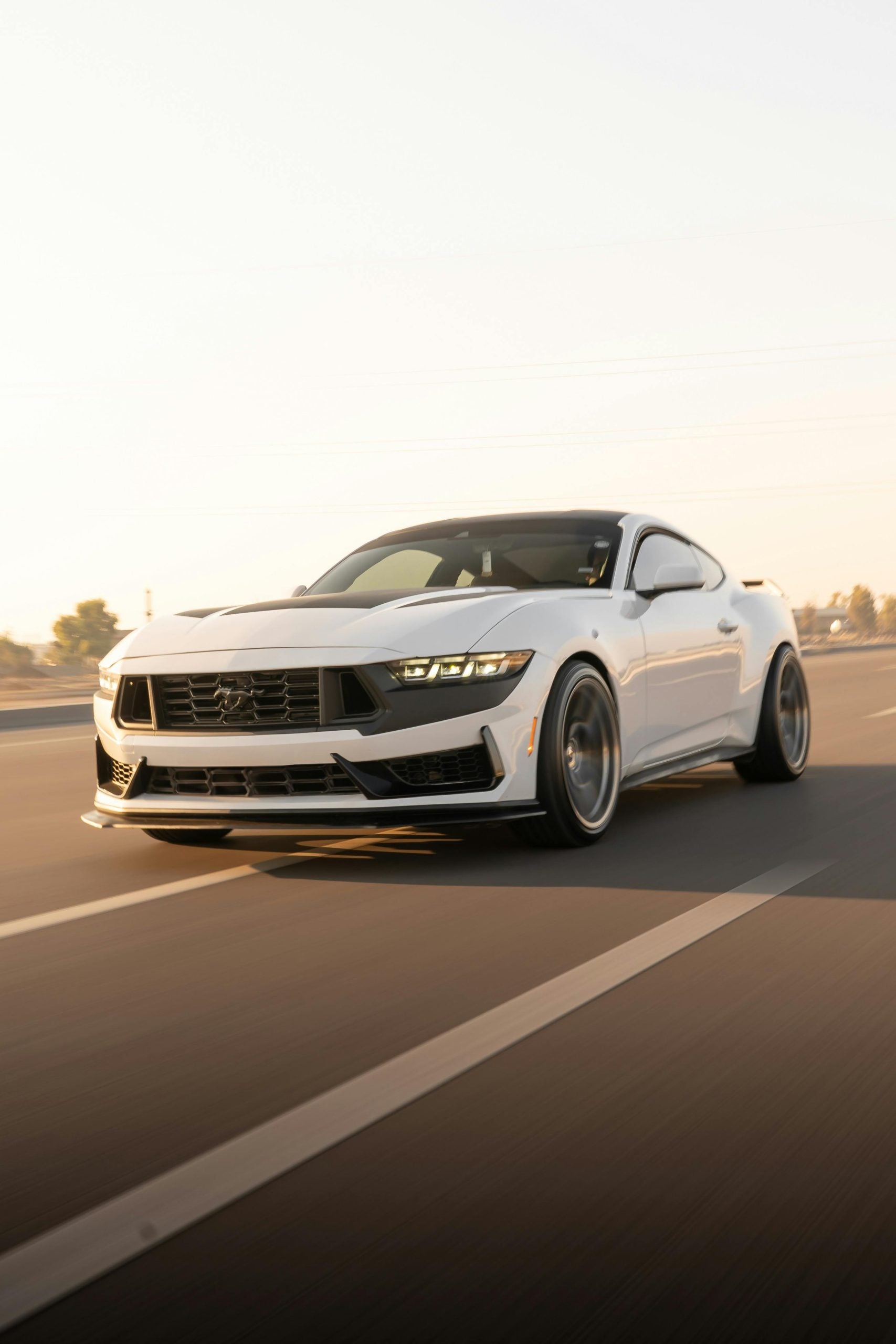
Dynamic White Mustang on Open Highway

2025 Ford Mustang 0–60 Times and Top Speeds Explained

The 2025 Ford Mustang carries on its speed legacy with jaw-dropping performance across all models, from the zippy EcoBoost to the super-fast GTD. So, how fast is a Ford Mustang? The answer depends on which version you pick, with wildly different 2025 Ford Mustang 0-to-60 mph times and top speeds throughout the lineup. This guide from our team at John Kennedy Ford Feasterville covers everything from acceleration figures to maximum speeds, giving you the full rundown on what makes each Mustang tick and how they compare to rivals. more New Mustang Inventory 2025 Ford Mustang Top Speed by Model The 2025 Mustang lineup offers impressive top speeds. The Dark Horse hits 166 mph, while the GTD reaches 202 mph. This matches the 2013 Shelby GT500's claimed top speed and beats the latest Shelby GT500 by 22 mph. The 2025 Mustang's top speed depends on engine specs, aerodynamics, power-to-weight ratio, and gearing. Base models focus on everyday usability, while performance versions get specific tweaks for maximum speed. Advanced computers manage power and stability at high speeds for safe operation. Acceleration Performance: 0-to-60 Mph Times Different Mustang models deliver dramatically different acceleration. The EcoBoost goes from 0 to 60 mph in 4.9 seconds or 4.5 seconds with the Performance Package. The 2025 Mustang GT 0-to-60 mph time is 3.9 to 4.3 seconds, depending on setup, with a typical time of 4.2 seconds. Transmission choice affects acceleration, as demonstrated by the Dark Horse — the manual version goes from 0 to 60 mph in 4.1 seconds, while the automatic does it in 3.7 seconds. Modern automatics often outpace manuals while maintaining driving excitement. Today's Mustangs, with their better engine computers, weight balance, and traction control, are faster than older models. Even the basic EcoBoost now goes from 0 to 60 mph in under 5 seconds — something only exotic cars could do not that long ago. Factors That Affect Ford Mustang Speed Engine choice drives performance potential. The EcoBoost produces 315 hp and 350 lb-ft of torque from its 2.3-liter turbo four-cylinder, balancing power with fuel efficiency. The GT makes 486 hp and 418 lb-ft of torque from its 5.0-liter V-8, while the Dark Horse pushes that V-8 to 500 hp and 418 lb-ft of torque. The GTD dominates with its supercharged 5.2-liter V-8 making 815 horsepower and 664 lb-ft of torque. Weight and aerodynamics matter as much as raw power. Lighter cars feel nimbler and stop quicker. Good airflow design cuts resistance, which becomes incredibly helpful at high speeds. The GTD's drag reduction system adjusts the rear wing and opens front flaps for stability at higher speeds. Your driving skill, transmission type, tire choice, and maintenance all affect results. Understanding these factors helps maximize performance while maintaining reliability. Speed Comparisons: Mustang vs. Competitors For entry-level models, the Mustang dominates. The EcoBoost goes from 0 to 60 mph in 4.9 seconds, the Chevrolet Camaro 1LS takes 5.6 seconds, while the Dodge Challenger SXT needs 6 seconds. Midrange competition tightens up. The GT speeds from 0 to 60 mph in 4.3 seconds versus 4.1 seconds for the Camaro SS and 4.8-5.1 seconds for the Challenger R/T. For high-performance models, it's a close competition. The Dark Horse goes from 0 to 60 mph in 3.7-4.1 seconds, while the Camaro ZL1 does it in 3.5 seconds and the Challenger Hellcat manages 3.9 seconds. However, the Mustang now stands as the only true muscle car in production, giving Ford a huge development advantage. Safety Considerations at High Speeds Modern Mustangs feature advanced electronic safety systems. ABS helps maintain steering during hard braking, while traction control prevents wheel spin. AdvanceTrac stability control monitors grip and adjusts power and brakes for stability across all driving conditions. Roll Stability Control monitors vehicle tilt and applies brakes or reduces power to prevent rollovers, cutting this crash risk by 80%. Insurance Institute for Highway Safety studies show AdvanceTrac provides a 49% reduction in single-vehicle crash risk and a 56% reduction in fatal single-vehicle crashes. No electronic system replaces good judgment and skill, though, and knowing your limits as a driver is crucial. Regular maintenance, good tires, and learning proper performance driving techniques all play huge roles in keeping things fun and safe. Legal Speed Limits and Responsible Driving Fast cars don't exempt owners from speed limits. About 41 million speeding tickets are issued yearly in the U.S., and one ticket can raise insurance rates. Most insurers keep premiums higher for at least three years after tickets, with multiple violations causing long-term financial impact. In 2022, speeding contributed to 28% of fatal crashes nationwide, killing 12,151 people and injuring approximately 300,595 others. Accelerating from 40 to 60 mph increases crash energy by 125%, and stopping distances grow dramatically with speed. If you want to really experience what your Mustang can do, track days, high-performance driving courses, and autocross events give you safe, legal places to push your car's limits. You'll get pro instruction and proper safety gear while building skills that make you a better driver. Being a responsible Mustang owner sets a good example for other car enthusiasts and helps make sure these awesome machines stay available for years to come. FAQ About Mustang Speed Here are some FAQ about the Ford Mustang's speed. What's the Fastest Mustang Available? The GTD is the fastest Mustang, with a 202 mph top speed. How Do EcoBoost and GT models Differ? The EcoBoost uses turbo tech for efficient power, while the GT delivers classic V-8 performance. Does the Mustang Have Drive Modes? The 2025 Mustang offers six drive modes. Normal Mode handles daily driving, Sport Mode adds excitement, and Slippery Mode improves wet weather safety. Drag Strip Mode optimizes quarter-mile runs, Track Mode sets up for circuits, while Custom Mode lets you personalize settings. Each mode adjusts engine response, transmission, suspension, and stability systems. Do Mustangs Have Speed Limiters? Most Mustangs have speed limiters for component protection, though limits vary by model. Can Modifications Boost Ford Mustang Performance? Yes, modifications can boost performance but may affect warranty and emissions compliance. Experience the 2025 Mustang's Performance at John Kennedy Ford Feasterville From the efficient EcoBoost to the track-monster GTD, the 2025 Mustang lineup perfectly blends old-school muscle car spirit with cutting-edge performance tech. Our team at John Kennedy Ford Feasterville knows these cars inside and out, and we'll help match you with the perfect Mustang for your driving style and budget. If you're ready to see what a Mustang can really do, book a test-drive today. We'll walk you through model options, performance features, and financing that make owning one well within reach. Get in touch to check our inventory and current deals and join the Mustang family with total confidence.

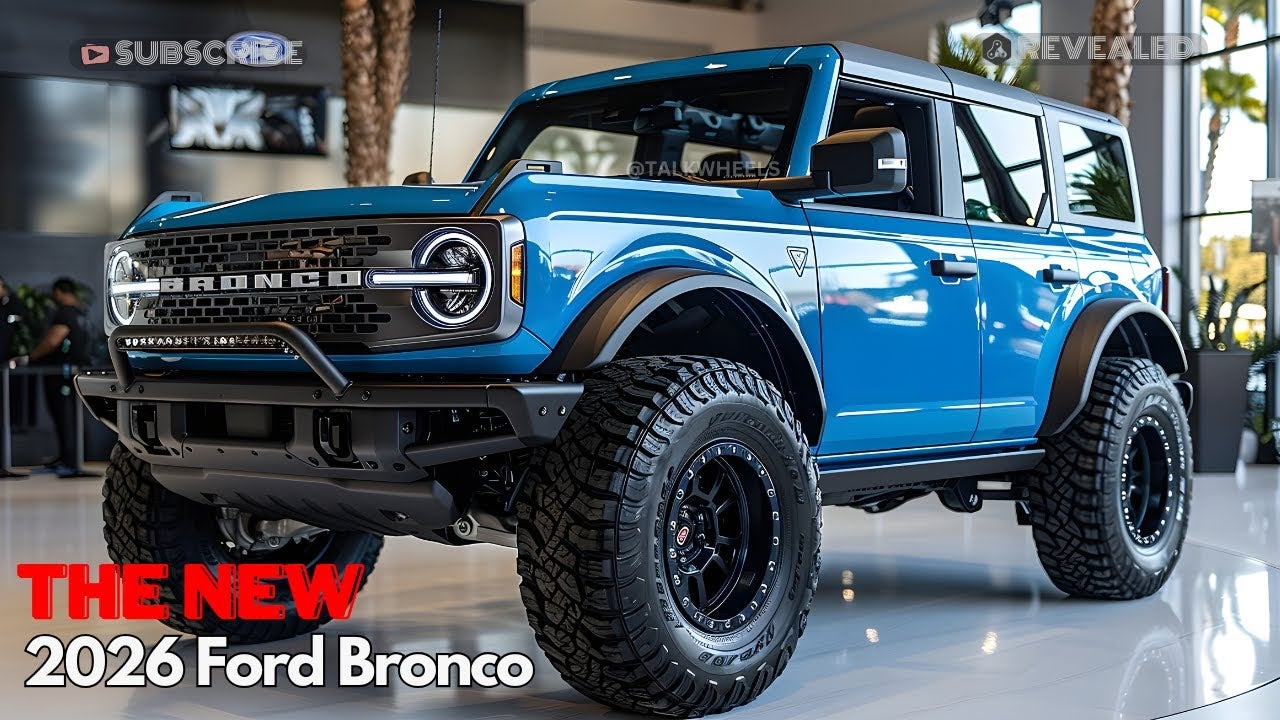
2026 Ford Bronco Feasterville PA

Built for Bucks County, Ready for Anywhere: The 2026 Ford Bronco Arrives at Feasterville Ford

2026 Ford Bronco: Why Feasterville Drivers Are Ready for Adventure The Ford Bronco has done something few vehicles manage to pull off — it revived a legendary nameplate and turned it into one of the most talked-about SUVs on the road in just a few short years. If you've been searching for a 2026 Ford Bronco for sale near Feasterville, PA, or comparing off-road SUVs that can handle everything from a daily commute along Street Road to a weekend off-roading trip in the Poconos, the 2026 Ford Bronco deserves a close look. At Feasterville Ford, we've watched firsthand as the Bronco has captured the attention of adventure seekers, families, and daily commuters throughout Bucks County and the greater Philadelphia area. In this guide, we'll walk through everything that makes the 2026 Bronco stand out: its history, engine options, off-road technology, customization possibilities, interior features, safety tech, fuel economy, trim lineup, pricing considerations, how it compares to rivals like the Jeep Wrangler and Toyota 4Runner, and why buying from a local Feasterville Ford dealership makes the experience easier from test drive to trade-in. A Modern Icon With Real Roots The original Bronco earned its reputation in the 1960s through the 1990s as a rugged, go-anywhere vehicle built for people who needed genuine off-road capability, not just the look of it. When Ford brought the Bronco back, they didn't just borrow the name — they rebuilt the vehicle around the same philosophy: real 4x4 hardware, durable construction, and a design built to be taken apart, driven hard, and put back together. The 2026 model year continues that mission, refining the platform that's made the Bronco a genuine competitor to established off-road SUVs while adding modern conveniences that keep it comfortable and connected for everyday Feasterville life. For local buyers, that combination matters — a vehicle that can tackle a trail on Saturday and handle a school run or a trip to the Philadelphia Premium Outlets on Monday. It's this dual identity — capable enough for serious off-roading, refined enough for daily driving — that has made the Bronco one of the most searched-for SUVs in the segment since its return. Engine Options Built for How You Drive The 2026 Bronco offers a range of powertrains so buyers can choose the right balance of efficiency and capability: 2.3L EcoBoost I-4 — The standard engine delivers a strong balance of everyday drivability and off-road torque, making it a smart choice for buyers who want capability without stepping up to a bigger engine. It's also the most fuel-efficient option in the lineup, which matters for anyone using the Bronco as a daily commuter vehicle around Bucks County. 2.7L EcoBoost V6 — Available on higher trims, this engine adds meaningfully more horsepower and torque, ideal for drivers who want extra confidence when towing a small trailer, hauling gear, or tackling more demanding terrain. Both engines pair with available manual or automatic transmissions depending on trim, and the Bronco offers genuine part-time and full-time 4x4 systems, including Ford's available electronic locking front and rear differentials — hardware you typically only find on dedicated off-road vehicles, not mainstream crossover SUVs. This is one of the key differentiators buyers researching "Bronco vs. Wrangler" or "Bronco vs. 4Runner" consistently point to: real 4x4 hardware rather than an on-demand all-wheel-drive system borrowed from a car-based platform. Fuel Economy and Efficiency While off-road capability is the Bronco's headline feature, efficiency matters too — especially for buyers who'll use the Bronco as a daily driver in addition to weekend adventures. The 2.3L EcoBoost engine offers competitive fuel economy for the segment, and Ford's use of a lightweight yet durable body structure helps offset the fuel economy trade-offs that typically come with serious off-road capability. For buyers cross-shopping fuel economy figures between the Bronco, Wrangler, and 4Runner, our sales team at Feasterville Ford can walk through current EPA estimates for each configuration side by side. Off-Road Technology That Actually Gets Used Where the Bronco really separates itself from other SUVs is in the off-road technology built into nearly every configuration: Terrain Management System with G.O.A.T. Modes (Goes Over Any Terrain) — selectable drive modes tuned for mud, sand, rock crawling, and more, adjusting throttle response, traction control, and transmission behavior automatically. Available Trail Turn Assist — a feature borrowed from serious off-road engineering that can apply braking to the inside rear wheel during tight turns, effectively tightening the Bronco's turning radius on the trail. Available Trail One-Pedal Drive — allows for precise, low-speed off-road maneuvering using just the accelerator pedal, simplifying tricky terrain navigation. Removable doors and roof panels — a signature Bronco feature that lets owners open up the cabin for open-air driving, whether that's a summer cruise through Bucks County or a trail run. Available 35-inch tires and Sasquatch Package — for buyers who want maximum ground clearance, wider track width, and serious rock-crawling capability right off the lot. Available front stabilizer bar disconnect — increases wheel articulation on the trail for maximum traction over uneven terrain, then reconnects automatically for stable on-road handling. For most Feasterville drivers, day-to-day life won't involve rock crawling — but knowing the capability is there, whether for a weekend trip to the Poconos or an unexpected snowstorm commute on Street Road, adds real peace of mind that a typical crossover SUV simply can't match. Two Body Styles, One Adventurous Spirit The Bronco lineup includes both a two-door and four-door configuration, giving buyers flexibility depending on how they'll use the vehicle: Two-Door Bronco — A shorter wheelbase and more compact footprint make this version nimble on tight trails, with a classic, rugged silhouette that pays homage to the original Bronco. Four-Door Bronco — Offers significantly more cargo and passenger room, making it a practical daily driver for families while retaining nearly all the same off-road hardware and capability as the two-door. Most Feasterville-area buyers who plan to use the Bronco as a primary or family vehicle gravitate toward the four-door, while those looking for a dedicated weekend or trail vehicle often prefer the more compact two-door. Both body styles share the same underlying platform, so capability differences between them come down more to wheelbase and weight than to fundamentally different hardware. Interior Comfort Without Losing the Rugged Character The Bronco's cabin is designed to match its go-anywhere personality while still being comfortable enough for daily use: Durable, easy-to-clean materials including available marine-grade vinyl seating that stands up to mud, sand, and wet gear Rubberized, washable flooring on select trims — a genuinely useful feature for anyone who uses the Bronco for camping, hiking, or outdoor recreation A modern SYNC 4 touchscreen interface with wireless Apple CarPlay and Android Auto Available upgraded audio and connectivity features for those who want more refinement alongside the capability Configurable cargo space, with the rear seats folding to accommodate gear, coolers, and equipment for camping trips or job-related hauling Available heated front seats and a heated steering wheel — a welcome feature during Pennsylvania winters It's a cabin built around the idea that you shouldn't have to choose between an SUV that's fun to get dirty in and one that's comfortable to drive every single day, whether that's a job commute or a school run. Safety and Driver-Assist Features Despite its off-road focus, the 2026 Bronco doesn't skimp on modern safety technology. Available features include: Pre-Collision Assist with Automatic Emergency Braking Blind Spot Information System with cross-traffic alert Lane-Keeping System Available adaptive cruise control for highway driving on I-95 or the Pennsylvania Turnpike Rear View Camera with available split-view camera for tight trail navigation These features matter just as much for Bucks County commuters navigating daily traffic as they do for weekend adventurers, giving the Bronco genuine versatility as an everyday vehicle rather than a niche trail toy. Trim Levels for Every Kind of Adventure The 2026 Bronco lineup includes several trims, each tuned for different priorities and budgets: Base — A capable entry point into Bronco ownership with core off-road hardware included standard. Big Bend — Adds additional convenience and styling features while keeping the price approachable. Black Diamond — Built with off-road-focused hardware, including a locking rear differential and skid plates, for buyers who plan to actually use the Bronco's trail capability. Outer Banks — Leans into comfort and styling, appealing to buyers who want the Bronco look and feel with a more refined daily-driving experience. Badlands — One of the most trail-ready trims short of the Raptor, with front and rear locking differentials and specialized suspension tuning. Everglades — Designed for extreme conditions, including water fording capability that goes beyond most other trims. Bronco Raptor — The ultimate performance off-road version, with a widened stance, high-output engine, and desert-racing-inspired suspension for buyers who want maximum capability without compromise. With this range of trims, there's a Bronco built for everyone from the casual weekend explorer to the serious off-road enthusiast — and our team at Feasterville Ford can help match the right trim to your actual driving habits and budget, rather than upselling capability you won't use. How the Bronco Compares to Other Off-Road SUVs Buyers researching the 2026 Bronco are often cross-shopping it against the Jeep Wrangler and Toyota 4Runner — the two other vehicles most associated with genuine off-road capability in this segment. Bronco vs. Jeep Wrangler — Both offer removable doors and roofs, solid off-road hardware, and strong aftermarket support. The Bronco generally offers a more modern interior, more advanced driver-assist technology, and a smoother on-road ride, while the Wrangler holds a slight edge in raw off-road heritage and simplicity of design. Bronco vs. Toyota 4Runner — The 4Runner has long been known for reliability and resale value, but the redesigned Bronco has closed much of that gap while offering more powertrain choices, more modern technology, and greater customization through its trim lineup. For buyers trying to decide between these options, a side-by-side test drive is the best way to feel the differences in ride quality, cabin materials, and technology firsthand — something our team at Feasterville Ford is glad to help arrange. Customization and Accessories Part of the Bronco's appeal is how deeply it can be personalized. Ford offers a wide range of factory-backed accessories, including: Roof racks and rack systems for kayaks, bikes, or rooftop tents Rock rails and skid plates for added trail protection Auxiliary switches pre-wired for aftermarket lighting and equipment Bronco-specific soft tops, hard tops, and modular roof panel systems Off-road-oriented wheel and tire packages Because these accessories are factory-engineered and backed by Ford, they integrate cleanly with the vehicle's warranty — something aftermarket parts can't always guarantee. Our parts and service team at Feasterville Ford can help you plan out accessories at the time of purchase or add them down the road as your needs change. Why Buy Local at Feasterville Ford Shopping for a vehicle as distinctive as the Bronco deserves more than scrolling through spec sheets online. The best way to understand whether the Bronco fits your life is to sit in it, take it for a drive, and talk through your specific needs — commuting, towing, off-roading, or some combination — with a team that knows the vehicle inside and out. Our team at Feasterville Ford can walk you through the differences between trims, explain how packages like Sasquatch or Sasquatch-plus options affect ride quality and capability, and help you find current incentives and rebates that can meaningfully reduce your total cost. We'll also help you explore financing and leasing options tailored to your budget, whether you're buying your first Bronco or upgrading from another SUV. Beyond the sale, choosing a local dealership means ongoing support from a service team that specializes in Ford vehicles, access to genuine OEM parts, and a team that's part of the same Bucks County community you live in. That local relationship matters when it's time for routine maintenance, warranty work, or just some friendly advice on where to take your Bronco off-road for the first time. Frequently Asked Questions About the 2026 Ford Bronco Is the 2026 Ford Bronco good for daily driving? Yes. While the Bronco is built with serious off-road hardware, its refined interior, modern technology, and available comfort features make it a practical daily driver for commuters throughout Feasterville and Bucks County. What's the difference between the two-door and four-door Bronco? The four-door offers more passenger and cargo space, making it better suited to families, while the two-door is more compact and nimble, appealing to buyers who prioritize trail agility. Does the Bronco hold its value well? The Bronco has shown strong resale value since its reintroduction, helped by high demand and a loyal enthusiast following. What trim should I choose if I plan to off-road regularly? Badlands and Bronco Raptor trims offer the most off-road-focused hardware, including locking differentials and specialized suspension tuning, though Black Diamond is a strong mid-range option for occasional trail use. Ready to Experience the 2026 Bronco? Whether you're drawn to the Bronco's rugged trail capability, its open-air driving experience, or simply its unmistakable style, there's no substitute for experiencing it in person. Stop by our Feasterville showroom or schedule a test drive online today, and let our team help you find the Bronco configuration that matches your adventures — wherever they take you. Feasterville Ford — Serving Feasterville, Bucks County, and the greater Philadelphia area.

ford-bronco-vs-toyota-4runner

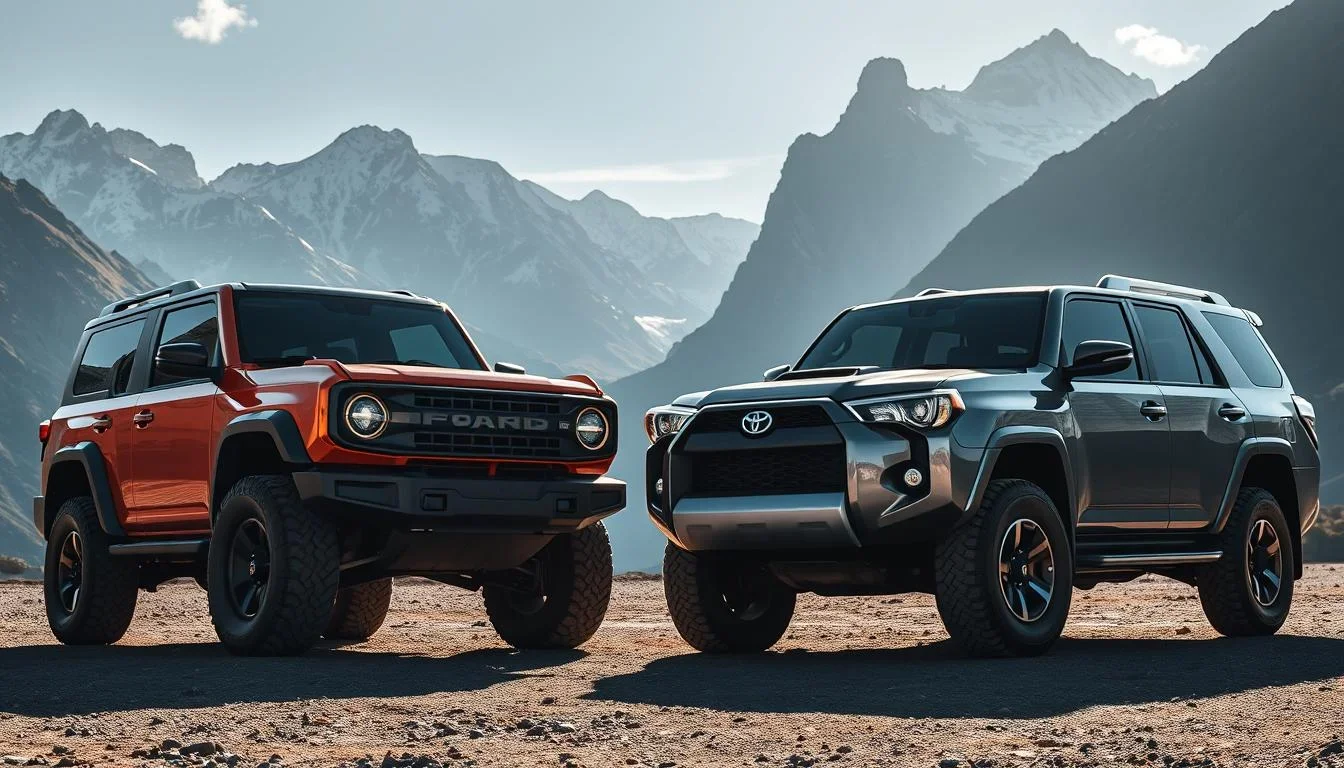
2026 Ford Bronco vs. Toyota 4Runner | John Kennedy Ford

2026 Ford Bronco vs. Toyota 4Runner: Which Off-Roader Wins? The Ford Bronco and Toyota 4Runner are two of the most respected names in true, body-on-frame off-roading. Both are built to handle serious trails, both offer genuine 4x4 hardware rather than just SUV styling, and both have earned loyal followings. But they take real differences in approach when it comes to versatility, power, and everyday usability. Here's a full breakdown from the team at John Kennedy Ford of Feasterville to help you decide which off-roader is right for you. Quick Comparison: 2026 Bronco vs. 2026 4Runner Starting MSRP — Bronco: $40,495 | 4Runner: $41,570 Standard Engine — Bronco: 2.3L EcoBoost Turbo I4, 300 hp / 325 lb-ft | 4Runner: 2.4L i-FORCE Turbo I4, 278 hp / 317 lb-ft Top Available Engine — Bronco Raptor: 3.0L Twin-Turbo V6, 418 hp | 4Runner i-FORCE MAX Hybrid: 326 hp / 465 lb-ft Doors and Roof — Bronco: removable doors and roof, hardtop or soft top | 4Runner: fixed doors and roof, not removable Max Towing — Bronco: up to 4,500 lbs (Raptor) | 4Runner: up to 6,000 lbs Max Cargo Volume (4-door) — Bronco: up to 146.5 cu ft | 4Runner: up to 90.2 cu ft Transmission — Bronco: 7-speed manual (with crawler gear) or 10-speed automatic | 4Runner: 8-speed automatic only Seating — Bronco: up to 5 (2-door or 4-door) | 4Runner: up to 7 (third row available on select trims) Trim Levels — Bronco: 7 trims | 4Runner: 9 trims The Bronco's Signature Advantage: Removable Doors and Roof This is the single biggest difference between these two SUVs, and it's not close. Every 2026 Bronco offers removable doors and a removable roof, whether you choose the soft top or hardtop, giving you a genuine open-air off-roading experience the 4Runner simply can't match. The 4Runner's doors and roof are fixed, full stop — no configuration or trim level changes that. For buyers who want the true Jeep-and-Bronco-style open-air adventure vehicle experience, this alone can be the deciding factor. Power, Space, and Everyday Practicality Every 2026 Bronco comes standard with a turbocharged 2.3L four-cylinder producing 300 horsepower and 325 lb-ft of torque, edging out the 4Runner's standard 2.4L turbo, which makes 278 hp and 317 lb-ft. The Bronco also offers something the 4Runner doesn't: a genuine 7-speed manual transmission with a dedicated crawler gear, for drivers who want full mechanical control on the trail. And when it comes to cargo, the four-door Bronco's 146.5 cubic feet of maximum space is dramatically larger than the 4Runner's 90.2 cubic feet — a real advantage for hauling gear, camping equipment, or a Costco run. To Be Fair: Where the 4Runner Holds Its Own The 4Runner isn't just riding on Toyota's reputation. It can tow up to 6,000 lbs, well ahead of the Bronco's 4,500-lb maximum (available only on the Raptor), making it the better choice for buyers who regularly tow campers, boats, or heavy trailers. The 4Runner also offers a genuine hybrid option in the i-FORCE MAX (326 hp / 465 lb-ft), available third-row seating for up to 7 passengers, and dedicated overlanding trims like the Trailhunter, which comes with an ARB roof rack, onboard air compressor, and Old Man Emu shocks straight from the factory. With nine trims to the Bronco's seven, the 4Runner also offers a bit more granularity in configuration and price point. The Verdict Both of these off-roaders are genuinely excellent, and the right choice depends on what kind of adventure you're after. For buyers who want the true open-air experience with removable doors and roof, more standard horsepower, a manual transmission option, and significantly more cargo space, the 2026 Ford Bronco comes out ahead. The 4Runner remains a strong pick for buyers who prioritize maximum towing capacity, third-row seating, or factory-ready overlanding gear, but if you want the SUV that can transform from daily driver to true open-air trail rig, the Bronco is hard to beat. See the 2026 Ford Bronco for Yourself Visit John Kennedy Ford of Feasterville to test drive the Bronco and see how it compares to the 4Runner in person. View Bronco Inventory Schedule a Test Drive Proudly Serving Feasterville and the Surrounding Communities John Kennedy Ford of Feasterville is a convenient destination for Bronco shoppers throughout Lower Bucks County and the surrounding areas. We're proud to serve drivers from: Feasterville-Trevose, PA Southampton, PA Langhorne, PA Warminster, PA Richboro, PA Churchville, PA Holland, PA Bensalem, PA Ivyland, PA Hatboro, PA Willow Grove, PA Newtown, PA Warrington, PA Northeast Philadelphia, PA No matter which of these communities you call home, our Feasterville showroom is just a short drive away. Browse our full new Ford inventory or visit our homepage to learn more about financing, trade-ins, and current offers. Pricing, specifications, and third-party data referenced above are current as of publication and sourced from Ford.com, Toyota.com, Edmunds, and Kelley Blue Book. Specs and pricing are subject to change by each manufacturer and may not include destination fees, taxes, title, or dealer charges. See John Kennedy Ford of Feasterville for current pricing, incentives, and availability.